
Asheville Restaurant Marketing: Digital Strategies to Fill Seats
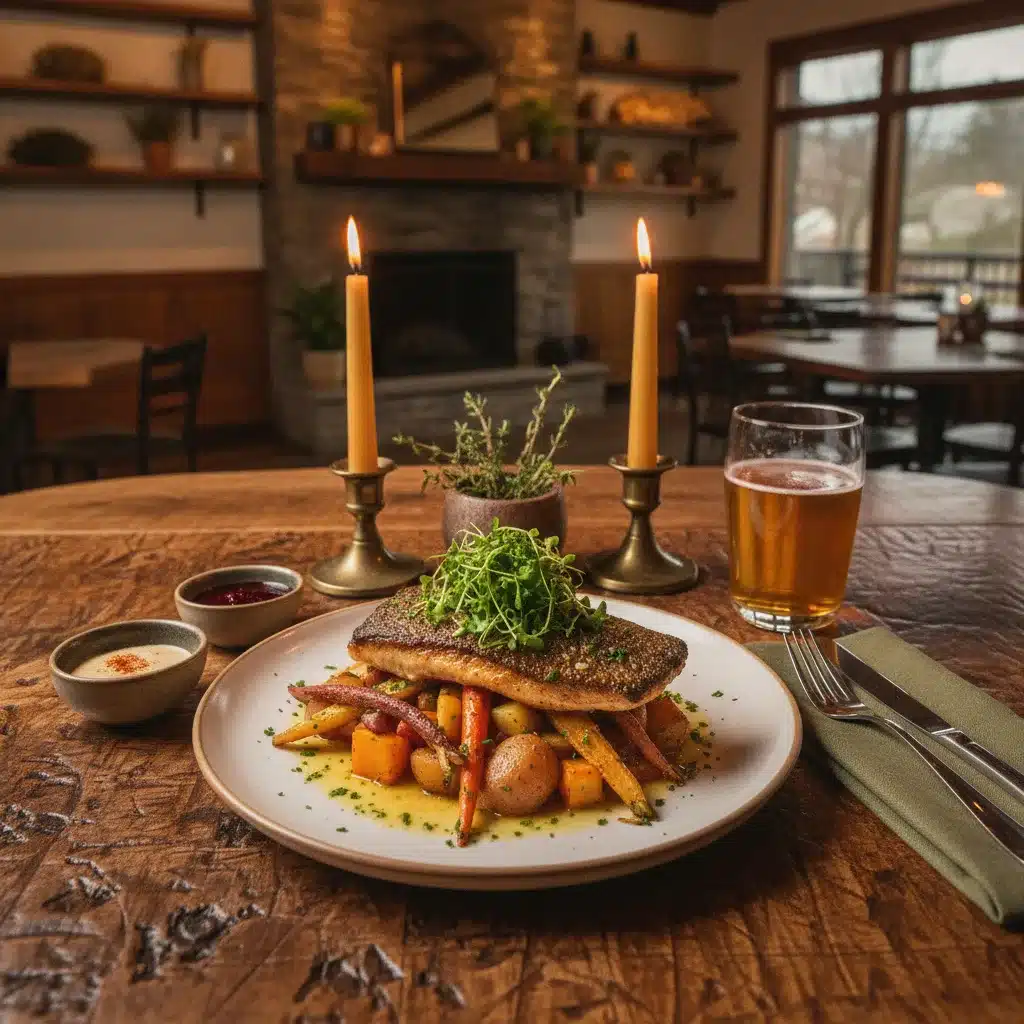
In Asheville’s vibrant food scene, standing out requires more than just great cuisine. With tourists and locals constantly seeking new dining experiences, your restaurant needs a strong digital presence to capture attention and fill seats consistently. At PushLeads, we’ve helped numerous Asheville restaurants thrive by implementing targeted digital strategies that connect with food enthusiasts right when they’re making dining decisions.
Why Digital Marketing Matters for Asheville Restaurants
Want it done for you? See our local SEO services.
Asheville’s reputation as a culinary destination means diners have countless options. When visitors plan their trips or locals decide where to eat tonight, they turn to Google first. Without a strong online presence, your restaurant misses critical opportunities to attract these hungry customers.
The right digital strategy helps you stand out in a crowded market by showcasing your unique offerings when potential customers are actively searching. This isn’t just about being visible—it’s about connecting with the right diners at the right moment to drive reservations and walk-ins.
Local SEO: The Secret Ingredient to Restaurant Success
When hungry visitors search “best restaurants in Asheville” or “farm-to-table dining near me,” will they find your establishment? Asheville Tourism Digital Marketing ensures your restaurant appears in these crucial searches.
This starts with claiming and optimizing your Google Business Profile with accurate hours, menus, and photos that make diners’ mouths water. We help restaurants build a consistent presence across review platforms like Yelp, TripAdvisor, and OpenTable, where potential customers make quick decisions based on ratings and photos.
By targeting location-specific keywords that Asheville visitors and locals actually use, your restaurant gains visibility exactly when people are deciding where to eat. This isn’t about generic visibility—it’s about capturing attention at the moment of decision.
Want more customers from Google & AI search?
Get a free SEO audit of your site — see exactly what to fix first.
Website Optimization: Your Digital Storefront
Your website creates crucial first impressions. A slow-loading site with outdated menus frustrates potential customers, sending them to competitors. We create restaurant websites that load quickly on mobile devices (where most dining searches happen), showcase your food beautifully, and make reservations simple.
Smart restaurant websites include:
- Online reservation capabilities that work seamlessly
- Current menus with mouth-watering descriptions
- Authentic photos that showcase your atmosphere and signature dishes
- Easy-to-find location and hours information
- Integration with food delivery platforms when applicable
Social Media Strategies That Drive Reservations
Asheville’s food culture thrives on Instagram and Facebook, where vibrant food photos and behind-the-scenes content build anticipation and desire. We help restaurants create social media calendars that showcase seasonal specials, highlight chef creativity, and encourage engagement.

Rather than posting randomly, effective restaurant social media follows a strategy—promoting weekend specials on Wednesday when people plan outings, showcasing brunch options on Thursday and Friday, and sharing customer photos that build social proof.
The key is consistency coupled with authenticity. Your social content should reflect your restaurant’s unique personality while actively encouraging reservations and visits.
Email Marketing: Bringing Guests Back
While attracting new diners matters, bringing previous guests back creates sustainable business. Email marketing lets you reach people who’ve already enjoyed your restaurant with targeted offers that encourage return visits.
Smart email campaigns might include special event announcements, seasonal menu updates, or exclusive offers for loyal customers. Unlike social media, where algorithms limit your reach, email marketing delivers your message directly to interested diners.
PPC Advertising for Immediate Visibility
Sometimes restaurants need immediate results—like during slower seasons or when launching new concepts. Pay-per-click advertising targets specific customer segments with timely offers, appearing exactly when potential diners search for options.

We help restaurants create targeted campaigns that might focus on tourists in specific neighborhoods, locals seeking weekend brunch, or visitors looking for authentic Asheville dining experiences. This approach delivers measurable results quickly, complementing longer-term SEO efforts.
Ready to Fill Your Restaurant?
At PushLeads, we understand Asheville’s unique dining landscape. Our local expertise helps restaurants connect with both visitors and locals through targeted digital strategies that drive real results—more reservations, increased foot traffic, and higher average check sizes.
Let’s talk about how we can help your restaurant stand out in Asheville’s competitive dining scene. Contact us today for a free consultation and discover how our digital marketing strategies can fill your seats consistently.
Ready to Book More Tables?
Contact PushLeads today for a free restaurant marketing consultation. We’ll analyze your current digital presence and identify specific opportunities to attract more diners.
Key Takeaways
- Plan your marketing around Asheville’s busy and slow seasons, not around a flat monthly schedule.
- A complete Google Business Profile, with correct categories, menu links and fresh photos, does more for most restaurants than any single ad.
- Tourists and locals search differently, so each group needs its own message, channel and landing page.
- Track reservations, calls and direction requests by source, or you won’t know which marketing is filling tables.
- AI assistants quote restaurants whose menus, hours and dietary details are written as plain, current text on the website.
Build a Seasonal Marketing Calendar for Asheville
Asheville restaurants should plan marketing in three phases: ramp-up before busy periods, protect margins during them, and rebuild demand in slow stretches. A calendar that mirrors visitor patterns keeps your budget from being spent evenly when demand isn’t even.
Most Asheville operators see strong tourist traffic in summer and during fall foliage, with quieter periods in late winter. Your own reservation and sales history tells you more than any generic pattern, so pull the last two years of data before planning.
Phase 1: Ramp-Up (6-8 Weeks Before Peak)
Visitors plan trips weeks ahead, so this is when your search presence matters most. Update your website menu, confirm your Google Business Profile hours, and publish any seasonal menu pages. If you take large-party or event bookings, make that page easy to find now, not the week before.
Phase 2: Peak Season
When tables are already filling, shift effort from awareness to conversion and reviews. Make sure reservation links work, your waitlist process is clear, and staff are asking happy guests for reviews. Run ads only for the shifts that still have empty seats, such as weeknights or early seatings.
Phase 3: Slow Season
This is when locals become your core audience. Build offers around weeknight dinners, industry nights, prix fixe menus, or chef’s table events, and promote them by email first, then social and search ads. Locals respond to reasons to come back, not to a generic discount.
For a wider view of how the whole local market fits together, the The Ultimate Asheville Digital Marketing Blueprint shows how channels support each other across a year.
Google Business Profile Checklist for Restaurants
Your Google Business Profile is often the first thing a diner sees, and it needs more than hours and a phone number. Work through the items below once, then review them monthly.
Core Setup
- Primary category: Choose the category that matches how guests describe you (for example, “Southern restaurant” or “Italian restaurant”) rather than a broad option. Add secondary categories only if they are truly accurate.
- Business name: Use your real, signed name. Adding keywords to the name violates Google’s guidelines and can lead to suspension.
- Hours: Set regular hours, then add special hours for holidays, private events and weather closures. Wrong hours are a top cause of bad reviews.
- Links: Add your reservation link, online ordering link and menu link in the fields Google provides.
- Attributes: Mark outdoor seating, dog-friendly patios, vegetarian options, wheelchair access and similar details if they apply.
Ongoing Activity
- Photos: Upload new photos of dishes, the dining room, the bar and the exterior regularly. Real photos taken by your team usually outperform stock-looking images.
- Posts: Share events, seasonal dishes and limited-time offers. Treat them like short announcements, not ads.
- Questions and answers: Seed common questions yourself, such as parking, gluten-free options and group sizes, and answer them clearly.
- Review replies: Respond to every review in a calm, specific way. Future diners read your replies as much as the reviews themselves.
Google Business Profile Help explains each field and the rules around them, so check it before making major edits such as changing your name or address.
Make Your Menu and Website Easy for AI Assistants to Quote
AI assistants and AI Overviews pull from pages that state facts clearly in text. If your menu is only a PDF or an image, those tools may skip it or misreport it.
Put your current menu on the page as real HTML text, with dish names, short descriptions and notes on common dietary needs. Keep a separate page or section for each of the following:
- Dinner, brunch, lunch and bar menus, each with a clear heading
- Dietary information such as vegetarian, vegan, gluten-aware and nut allergy handling, stated honestly
- Private dining and group booking details, including capacity and how to inquire
- Parking, accessibility and nearby landmarks, written the way a guest would ask about them
- A short FAQ answering the questions your host stand hears most often
Be careful with claims. If you say “locally sourced,” name the farms or the share of ingredients you can truthfully support. Specific, verifiable details are more useful to guests and more likely to be repeated accurately by AI tools.
Search is changing quickly, so it helps to read how future-proofing your Asheville business approaches AI-driven discovery.
Turn Reviews Into a Repeatable System
Reviews work best when asking for them is part of your service routine, not an occasional push. A steady flow of recent, detailed reviews helps both rankings and guest confidence.

How to Ask
- Pick one or two moments when guests are happiest, such as after dessert or when they compliment a dish.
- Train servers to mention it briefly: “If you enjoyed tonight, a Google review helps us a lot.”
- Add a short link or QR code on the check presenter or receipt that goes directly to your Google review form.
- Send a follow-up email or text to reservation guests the next morning, with the same direct link.
Never offer discounts or gifts in exchange for reviews. Google’s policies prohibit incentivized reviews, and platforms like Yelp discourage soliciting them.
How to Respond
For positive reviews, thank the guest and mention something specific, such as the dish or the server. For negative reviews, acknowledge the problem, avoid arguing, and offer an email or phone number to continue offline. Keep replies short, and never share private details about a guest’s visit.
What to Do With Patterns
Read your reviews monthly for repeated themes. If three guests mention slow service on Saturdays, that is an operations issue marketing cannot fix, but it tells you what to address before spending more on ads.
Reach Tourists and Locals With Different Messages
Tourists and locals use different search terms, trust different signals, and book at different times. Treating them as one audience wastes budget and dilutes your message.
| Factor | Visitors | Locals |
|---|---|---|
| When they decide | Days or weeks before the trip, and again the day of | Same day or within a few days |
| Typical searches | “best restaurants in Asheville,” “dinner downtown Asheville” | “restaurants near me open now,” “brunch in [neighborhood]” |
| What they trust | Review volume, photos, press mentions, maps | Friends’ recommendations, repeat experiences, local social posts |
| Best channels | Google Business Profile, search ads, travel and review sites | Email, Instagram, Facebook, loyalty offers |
| Strongest message | Signature dishes, sense of place, easy booking | New menu items, events, weeknight reasons to return |
Give each audience its own landing page if you run ads. A visitor-focused page can highlight reservations and what makes your menu distinctly Asheville, while a local page can feature weeknight specials and events.
In this video
- 0:00 What Digital Marketing Actually Costs
- 0:52 Four Pricing Models Agencies Use
- 2:15 Retainer vs Project Which Fits You
- 3:25 Local SEO Pricing Breakdown
- 4:06 Full Service Category Price Table
- 5:26 Three Factors That Move Your Quote
- 6:14 Freelancer vs Agency Tradeoffs
- 7:00 How to Compare Proposals Fairly
- 7:49 PPC Management Fees Explained
- 8:26 Link Building Costs and Red Flags
- 9:12 Web Design Tiers and Maintenance
- 9:53 Four Agency Red Flags to Avoid
- 10:41 Set Goals Before You Set a Budget
- 11:18 Content and Social Media Pricing
If your restaurant sits alongside breweries or taprooms in a shared district, notice how brewery marketing strategies in Asheville approach a similar mix of visitors and regulars.
Use Content That Sells the Experience, Not Just the Menu
Content that tells the story behind your food gives people a reason to choose you over a similar-looking restaurant. It also gives search engines more relevant material to index.
Good restaurant content ideas include:
- A short profile of the farm, butcher or baker you buy from, with permission
- The story of a signature dish and how it changed over time
- A seasonal menu preview a week before it launches
- A neighborhood guide: where to park, what to do before dinner, how to get a table
- Staff profiles, such as your pastry chef or longtime bartender
Publish these on your website first, then repurpose them on social and in email. Our guide on tourism content marketing through storytelling goes deeper on shaping stories for visitors, and the approach to restaurant food photography and community engagement covers the visual side.
Earn Local Press and Backlinks
Mentions from respected local sources build trust with both diners and search engines. They are earned through relationships and real news, not purchased.
Realistic ways to earn coverage include:
- Pitching a new menu, chef or concept to local food writers with clear photos and facts
- Hosting a charity dinner or farm partnership event and sharing it with local outlets
- Partnering with nearby hotels, tour guides and event organizers who can link to you
- Submitting your restaurant to relevant local dining guides and community calendars
Make sure every mention uses the same name, address and phone number as your website. For a framework on getting started, see our piece on digital PR for Asheville SEO.
Track What Fills Tables
If you can’t tie marketing to reservations, calls and visits, you are guessing about where to spend. A simple tracking setup is enough for most restaurants.
| Metric | Where to find it | What it tells you |
|---|---|---|
| Calls, direction requests, website clicks | Google Business Profile insights | Whether your local listing drives action |
| Reservation source | Your booking platform and a “How did you hear about us?” field | Which channels bring booked tables |
| Website visits by source | Google Analytics, with UTM tags on links you control | Which emails, posts and ads send visitors |
| Search impressions and queries | Google Search Console | What people search before finding you |
| Review count and average rating over time | Google, Yelp, TripAdvisor | Whether your review system is working |
| Email opens, clicks and redemptions | Your email platform and POS | Whether offers bring guests back |
Add UTM tags to every link in emails and social bios so you can see which ones bring traffic. Ask hosts to note when a guest mentions a specific promotion, and compare it against your POS data weekly.
Budget and Timeline: What to Expect
Local SEO and listing improvements typically take a few months to show steady results, while paid ads can start producing clicks within days. Budgets vary widely by restaurant size, competition and goals, so treat any figure as a starting range to test.
- Profile and listing cleanup: Often done within one to two weeks, with benefits appearing over the following weeks.
- Website improvements: Menu and reservation fixes can take days to a few weeks, depending on your platform.
- Local SEO and content: Plan on roughly three to six months to see consistent movement in search visibility.
- Paid search or social ads: Many independent restaurants start with a modest monthly test budget, then adjust based on cost per reservation.
- Email: Once the list and templates exist, a monthly or twice-monthly send is manageable for most teams.

Spread spending by season rather than evenly. For a breakdown of how agencies structure fees, read about what Asheville agencies typically charge.
Common Restaurant Marketing Mistakes to Avoid
Most restaurant marketing problems come from neglected basics, not missing advanced tactics. Check your own operation against this list.
- Menu only as a PDF or photo: It is hard to read on phones and hard for search tools to interpret.
- Outdated hours or holiday closures: Guests who arrive at a closed door rarely give a second chance.
- Ignoring reviews: Unanswered complaints look like indifference.
- Running ads to the homepage: Send people to a page that matches the offer.
- Posting only when it’s slow: Consistent posting builds an audience before you need it.
- Discounting by default: Heavy discounts can train guests to wait for deals. Lead with experience and events first.
- Inconsistent business information: Different phone numbers or addresses across directories confuse both guests and search engines.
- No tracking: Without source data, you can’t tell which effort deserves more budget.
A 30-Day Action Plan
You can make meaningful progress in a month by working in a set order. Fix what guests see first, then build the habits that sustain results.
Week 1: Fix the Foundations
- Audit your Google Business Profile, Yelp, TripAdvisor and reservation platform for matching name, address, phone and hours.
- Replace PDF menus with text menus on your website.
- Add UTM tags and confirm Google Analytics and Search Console are working.
Week 2: Build Trust Signals
- Upload fresh photos to your listings.
- Respond to all unanswered reviews.
- Print a QR code for review requests and train staff on how to ask.
Week 3: Create Reasons to Visit
- Draft a seasonal or weeknight offer for locals and an experience-focused page for visitors.
- Set up a simple email sign-up on your website and at the host stand.
- Schedule two weeks of social posts tied to the offer.
Week 4: Measure and Adjust
- Review calls, direction requests, reservations by source and email results.
- Keep what produced bookings and drop what didn’t.
- Decide whether a small paid test makes sense for your slowest shifts.
Get Help Prioritizing
If you’d rather not sort through all of this alone, a short conversation can clarify what to fix first. We can review your listings, website and reviews, and point to the changes most likely to fill your slowest shifts. When you’re ready, you can talk with PushLeads about your restaurant.
Frequently Asked Questions
How much should an Asheville restaurant spend on digital marketing?
There is no single right number, because it depends on your size, competition and goals. Many independent restaurants start by fixing free items such as listings and reviews, then add a small, trackable ad budget for slow shifts. Increase spending only when you can see which channel produces reservations.
How long does restaurant SEO take to work in Asheville?
Most restaurants see steady improvements in local visibility after roughly three to six months of consistent work. Listing fixes and review growth can help sooner, while competitive searches take longer. Results depend on your starting point and how active nearby competitors are.
Is Instagram or Facebook better for restaurants?
Neither is better for every restaurant, so choose based on where your guests already are. Instagram tends to suit visual, younger or visitor-heavy audiences, while Facebook is useful for events and local community groups. Start with one platform you can maintain well before adding another.
Should my restaurant use OpenTable or my own reservation system?
It depends on your volume, fees and how much guest data you want to own. Third-party platforms can bring discovery but often charge per cover or monthly fees, while your own system gives you more control over customer relationships. Compare the real cost per booked guest before deciding, and make sure whichever you choose links from your Google profile.
How do I get more Google reviews without breaking the rules?
Ask happy guests directly and make it easy with a QR code or a link in a follow-up message. Do not offer discounts, free items or other rewards in exchange for reviews. Respond to every review you receive so guests see that you are listening.
Do restaurants really need email marketing if they have social media?
Yes, because email reaches guests directly without depending on an algorithm. It works especially well for events, seasonal menu launches and weeknight offers. Even a short list of past guests can generate repeat bookings if your messages are relevant and not too frequent.
How can I get my restaurant mentioned by AI assistants like ChatGPT or Google’s AI Overviews?
Make your key facts clear, current and consistent across your website and major listings. Put menus, hours, dietary details and your story in plain text, keep your business information identical everywhere, and earn reviews and local mentions. No one can guarantee a mention, but accurate and well-supported information gives these tools better material to use.
Want more customers from Google & AI search?
Get a free SEO audit of your site — see exactly what to fix first.
Your path · Asheville Tourism Digital Marketing
3 articles. About 45 minutes.
 Up nextAsheville Tourism Digital Marketing: Strategies for Hospitality Success
- Asheville Brewery Marketing: Internet Strategies for Craft Beverage Businesses
- You’re hereAsheville Restaurant Marketing: Digital Strategies to Fill Seats

Want this done for you?
Scan your site. See the gaps. Decide with numbers.
- Rankings, Google Business Profile and site-speed teardown
- Report lands in your inbox in about a minute
- No obligation · 4.9 from 67 Google reviews
 Continue to Part 1
