

After a house fire, grabbing a rag and wiping surfaces feels like the right move. It is not. That single decision contributes to roughly 20% of fire restoration claims escalating beyond what they needed to, according to the IICRC. Certified technicians achieve a 94% success rate on treated surfaces. DIY attempts on those same surface types succeed just 31% of the time, according to a 2024 survey by Restoration and Remediation magazine. The gap comes down entirely to matching the cleaning method to the soot type before touching anything.
Does DIY soot removal actually make fire damage worse?
Yes, the wrong cleaning method drives soot deeper into surfaces and creates permanent damage instead of removing it. Certified technicians achieve a 94% success rate on treated surfaces while DIY attempts on the same surface types succeed only 31% of the time, a gap that comes down entirely to matching method to soot type.

What is the first step in professional soot removal?
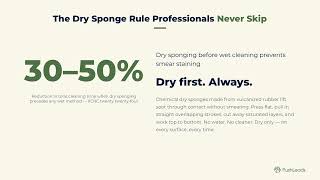
Dry sponging always comes before any wet cleaner. Chemical dry sponges made from vulcanized rubber lift soot through contact without smearing. The IICRC reports that dry sponging before wet cleaning reduces total cleaning time by 30 to 50% and prevents smear staining, which is the most common secondary damage from premature wet cleaning.
Want more customers from Google & AI search?
Get a free SEO audit of your site — see exactly what to fix first.
How long do you have to clean up after a fire before damage gets worse?
The critical window is 72 hours. The NFPA confirms acidic smoke residue begins causing visible corrosion on stainless steel within 72 hours of exposure. Items cleanable on day one can require full replacement by day four as acids penetrate porous materials including walls, concrete, tile grout, and wood grain.
What kind of primer do you use over smoke damage?
Use shellac-based primer, not latex. Latex primers allow smoke stains to bleed through within weeks after painting. Painted drywall should receive a TSP or commercial smoke residue cleaner first, then shellac-based primer before any topcoat is applied to prevent stains from reappearing through the finished surface.
What mistakes do people make when cleaning soot themselves?
Four mistakes appear on nearly every failed DIY job: applying water before dry sponging, which embeds residue and can make staining permanent; scrubbing instead of using straight strokes; running a standard vacuum that blows fine soot back into the air; and painting over soot without shellac-based primer, causing bleed-through within weeks.
How much does professional soot removal cost?
Professional soot cleaning costs between $200 and $1,000 for a single room. Whole-home remediation after a significant fire ranges from $3,000 to $25,000. These costs are typically covered under homeowners insurance fire damage claims, and DIY attempts that fail and then require professional correction cost more than calling a professional first.
Can you clean smoke damage yourself or do you need a professional?
DIY soot cleaning succeeds only 31% of the time compared to 94% for certified technicians following correct protocol. Improper DIY cleaning contributes to roughly 20% of escalated fire restoration claims, and additional costs from DIY damage often exceed what professional first response would have cost, according to IICRC data.

What equipment do professionals use for soot removal that homeowners don’t have?
Professionals use HEPA negative air machines, hydroxyl generators, thermal foggers, and ultrasonic cleaners. Hydroxyl generators break down odor molecules chemically and are safe in occupied spaces. Thermal foggers distribute deodorizing agents along the same pathways smoke originally traveled. Without this equipment, even correct cleaning technique falls short of the 94% professional success rate.
Full transcript
0:00 From 0:00
If you’ve had a fire, the instinct is to grab a rag and start wiping. Stop. That single decision is why roughly 20% of fire restoration claims escalate beyond what they needed to, according to the IICRC. Professional soot removal succeeds where do -it -yourself fails because trained technicians match the cleaning method to the soot type and surface material. The wrong method doesn’t just miss the soot, it drives residue deeper and creates permanent damage. This deck walks you through exactly how professionals approach soot removal, surface by surface, and what the numbers say about the cost of getting it wrong. I’m Jeremy Ashburn, the founder of PushLeads. If you’re one of the homeowners facing fire or smoke damage cleanup out there, this channel is built for you. Two decades of search work taught me what actually moves rankings and what’s just noise. This video is about one wrong cleaning move spreads soot, deeper into surfaces, and voids your insurance claim. Here’s the bottom line up front. A 2024 survey by restoration and remediation magazine put the numbers side by side. Certified technicians following correct protocol achieve a 94% success rate on treated surfaces. Do -it -yourself attempts on those same surface types succeed just 31% of the time. That’s a three times gap, and it comes down entirely to matching the method to the soot type before touching anything. Not all soot is the same, and identifying the type before you touch anything
1:30 From 1:30
is the first step the IISR CS5 or 20 standard requires. Dry soot from paper and wood fires is powdery and surface level, about 25 % of residential cleanups and the easiest to address. Wet soot is the most common type in modern homes because synthetic furnishings are everywhere. It smears. Any water applied before dry removal embeds it permanently. Protein soot from kitchen fires is nearly invisible, but bonds chemically with surfaces. Fuel soot from furnace malfunctions is thick, black, and requires industrial degreasers with multiple passes. Tom Bradley, a 20 -year fire restoration veteran with Rhea Master certification, puts it plainly, treat wet soot like dry soot, and you’ll smear it into the surface and create a permanent stain, the most common mistake he sees. Before any wet cleaner touches any surface, professionals follow one universal first step, dry sponging. Chemical dry sponges made from vulcanized rubber lift soot particles through contact without smearing. The IISRC reports that dry sponging before wet cleaning reduces total cleaning time by 30 to 50% and prevents the most common secondary damage, smear staining from premature wet cleaning. Press the sponge flat, pull in straight overlapping strokes, cut away saturated layers as the sponge fills, and work top to bottom so dislodge particles fall onto surfaces not yet cleaned. Skipping dry sponging is the single most costly mistake and do it yourself soot
Start with the full SEO for restoration companies guide if you are new to the topic.
3:03 From 3:03
cleanup. Once dry sponging is complete, chemistry must match the surface, no universal cleaner handles everything. Painted drywall gets TSP or a commercial smoke residue cleaner, then shellac based primer before paint, latex primers let smoke stains bleed through within weeks. Unpainted wood gets a smoke specific degreaser, but softwoods like pine and fur absorb smoke twice as deep as hardwoods like oak and maple. According to the USDA Forest Products Laboratory, a fact that changes the replace versus clean decision on softwood structures, marble and limestone require stone safe alkaline cleaners only, acid cleaners etch them permanently, stainless steel needs a pH neutral cleaner applied within 72 hours, or visible corrosion begins. One cleaner applied to everything is how surfaces get permanently damaged. That 72 hour window is real and moves fast. The NFPA confirms acidic smoke residue begins causing visible corrosion on stainless steel within 72 hours of exposure. The principle extends further. Items cleanable on day one can require full replacement by day four as acids penetrate porous materials, walls, concrete, tile grout, and wood grain. A professional assessment within the first 24 to 48 hours locks in an accurate scope before secondary damage expands the estimate. Every hour of delay narrows the list of surfaces that can be saved.
4:33 From 4:33
The IICRC reports improper do -it -yourself soot cleaning contributes to roughly 20% of escalated fire restoration claims. And additional costs from DIY damage often exceed what professional first response would have cost. Four mistakes appear on nearly every failed DIY job. Applying water before dry sponging embeds residue and can make staining permanent. Scrubbing instead of using straight strokes pushes particles deeper into porous materials. Running a standard vacuum blows fine soot back into the air through the exhaust. Painting over soot without shellac based primer means stains bleed through within weeks. Rachel Wong, a certified smoke damage restoration specialist, says the most expensive DIY mistake she sees is the homeowner who wiped drywall with a wet rag. What could have been surface cleaning becomes full drywall replacement. Professional technicians bring equipment most homeowners can’t access locally. Hepa -negative air machines create controlled airflow that pulls soot particles through filtration so they don’t redistribute during cleaning. Hydroxyl generators produce hydroxyl radicals that break down odor causing molecules at the chemical level. And unlike ozone generators, they’re safe in occupied spaces. Thermal foggers distribute deodorizing agents that travel the same pathway smoke originally took. Neutralizing odor at its source. Ultrasonic cleaners restore jewelry, eyeglasses, and small electronics using high -frequency sound waves that reach crevices no brush
6:05 From 6:05
can access. Without this equipment, even correct technique falls short of that 94% success rate. When professionals evaluate a fire damage space, every surface gets one of three outcomes. Clean it, seal it, or replace it. Clean when soot is surface level, removes completely, leaves no odor, and doesn’t compromise the material. Seal when faint -staining or mild odor persists after thorough cleaning, but structure is intact, faster, and more cost -effective than removing sound material. Replace when multiple cleaning and sealing attempts can’t eliminate odor, when wet soot has penetrated too deeply, or when heat has compromised structural integrity, document every decision, recording the clean -seal -replace rationale for each surface justifies the scope of work estimate and reduces disputes with insurance adjusters over line items. The 72 -hour corrosion window is real. The risk of permanent smear -staining from wrong technique is real. And the difference between a cleanable surface and a replaced one often comes down to what happens in the first few hours. Professional soot cleaning costs between $201,000 for a single room and whole home remediation after a significant fire ranges from $3,000 to $25,000. Cost typically covered under homeowners insurance fire damage claims. DIY attempts that fail and then require professional correction cost more than calling a professional first. If you’re a homeowner dealing with fire damage, don’t wait.
7:37 From 7:37
If you’re a restoration company trying to rank for soot removal searches in your market, PushLeads can show you exactly where your visibility stands. Get a free teardown at SEO .PushLeads.com slash audit link in the description or call 828 -348 -7686.
▶ Watch on its own page (7:58), with the transcriptMore videos in the library →
Soot Type Determines Every Cleaning Decision
The IICRC S500 standard requires identifying soot type before any cleaning begins. There are four types found in residential fires, and each one behaves differently on contact with the wrong cleaner.
Dry soot from paper and wood fires is powdery and surface level. It accounts for roughly 25% of residential cleanups and is the easiest type to address. Wet soot is the most common type in modern homes because synthetic furnishings are widespread. It smears on contact. Any water applied before dry removal embeds it permanently. Protein soot from kitchen fires is nearly invisible but bonds chemically with surfaces. Fuel soot from furnace malfunctions is thick, black, and requires industrial degreasers with multiple passes.
Tom Bradley, a 20-year fire restoration veteran with IICRC Master certification, states the problem directly: treat wet soot like dry soot and you will smear it into the surface and create a permanent stain. That is the most common mistake he sees on DIY jobs.
Dry Sponging Comes Before Any Wet Cleaner
Before wet chemistry touches any surface, professionals complete one universal first step: dry sponging. Chemical dry sponges made from vulcanized rubber lift soot particles through contact without smearing. The IICRC reports that dry sponging before wet cleaning reduces total cleaning time by 30 to 50% and prevents the most common secondary damage, which is smear staining from premature wet cleaning.
The correct technique uses four rules. Press the sponge flat against the surface. Pull in straight overlapping strokes rather than scrubbing. Cut away saturated layers as the sponge fills. Work top to bottom so dislodged particles fall onto surfaces not yet cleaned. Skipping dry sponging is the single most costly mistake in DIY soot cleanup.
Once dry sponging is complete, chemistry must match the surface. No universal cleaner handles everything. Painted drywall requires TSP or a commercial smoke residue cleaner, followed by shellac-based primer before paint. Latex primers allow smoke stains to bleed through within weeks. Unpainted wood needs a smoke-specific degreaser, but softwoods like pine and fir absorb smoke twice as deep as hardwoods like oak and maple, according to the USDA Forest Products Laboratory. That difference changes the replace-versus-clean decision on softwood structures. Marble and limestone require stone-safe alkaline cleaners only because acid cleaners etch them permanently. Stainless steel needs a pH-neutral cleaner applied within 72 hours or visible corrosion begins.
The 72-Hour Window Changes What Can Be Saved
The NFPA confirms acidic smoke residue begins causing visible corrosion on stainless steel within 72 hours of exposure. The principle extends to every porous material in the structure. Items cleanable on day one can require full replacement by day four as acids penetrate walls, concrete, tile grout, and wood grain.
A professional assessment within the first 24 to 48 hours locks in an accurate scope before secondary damage expands the estimate. Every hour of delay narrows the list of surfaces that can be saved and raises the total cost of remediation.
Rachel Wong, a certified smoke damage restoration specialist, points to one pattern she sees repeatedly: a homeowner wipes drywall with a wet rag before professional help arrives. What could have been surface cleaning becomes full drywall replacement. The cost difference between those two outcomes is significant, and the cause is one uninformed decision made in the first hour.

Equipment That Homeowners Cannot Access Locally
Professional technicians bring equipment that determines whether even correct technique reaches that 94% success rate. Four pieces of equipment matter most.
HEPA negative air machines create controlled airflow that pulls soot particles through filtration so they do not redistribute during cleaning. Hydroxyl generators produce hydroxyl radicals that break down odor-causing molecules at the chemical level. Unlike ozone generators, they are safe in occupied spaces. Thermal foggers distribute deodorizing agents that travel the same pathway smoke originally took, neutralizing odor at its source rather than masking it. Ultrasonic cleaners restore jewelry, eyeglasses, and small electronics using high-frequency sound waves that reach crevices no brush can access.
Without this equipment, even correct sponging technique and proper chemistry fall short of professional results. A standard household vacuum makes things worse. Running one blows fine soot back into the air through the exhaust and redistributes contamination to surfaces already cleaned.
Clean, Seal, or Replace: How Professionals Scope the Job
Every surface in a fire-damaged space gets one of three outcomes. Clean when soot is surface level, removes completely, leaves no odor, and does not compromise the material. Seal when faint staining or mild odor persists after thorough cleaning but the structure is intact. Sealing is faster and more cost-effective than removing sound material. Replace when multiple cleaning and sealing attempts cannot eliminate odor, when wet soot has penetrated too deeply, or when heat has compromised structural integrity.
Documenting the rationale for each surface decision justifies the scope-of-work estimate and reduces disputes with insurance adjusters over individual line items. That documentation also protects the homeowner if secondary damage emerges after initial remediation.

Professional soot cleaning costs between $200 and $1,000 for a single room. Whole-home remediation after a significant fire ranges from $3,000 to $25,000. Both figures fall under standard homeowners insurance fire damage claims. DIY attempts that fail and then require professional correction cost more than calling a professional first. The IICRC reports that improper DIY soot cleaning contributes to roughly 20% of escalated fire restoration claims, and the additional costs from DIY damage frequently exceed what professional first response would have cost.
If you are dealing with fire or smoke damage right now, do not wait. Call a certified restoration company within the first 24 hours. If you run a restoration company and want to rank for soot removal searches in your market, PushLeads can show you exactly where your visibility stands. Get a free audit at seo.pushleads.com/audit or call 828-348-7686.
Want more customers from Google & AI search?
Get a free SEO audit of your site — see exactly what to fix first.
Your path · Restoration SEO
Keep going: read these next
 You’re hereWhy DIY Soot Removal Makes Fire Damage Worse (And What to Do Instead)
- Up nextSmoke and Soot Damage Cleanup: Homeowner Guide
- Who to Call First After Water, Fire, or Storm Damage: The Emergency Response Decision Tree
- Document and Electronics Recovery After Water or Fire Damage

Want this done for you?
Scan your site. See the gaps. Decide with numbers.
- Rankings, Google Business Profile and site-speed teardown
- Report lands in your inbox in about a minute
- No obligation · 4.9 from 67 Google reviews
 Continue reading
