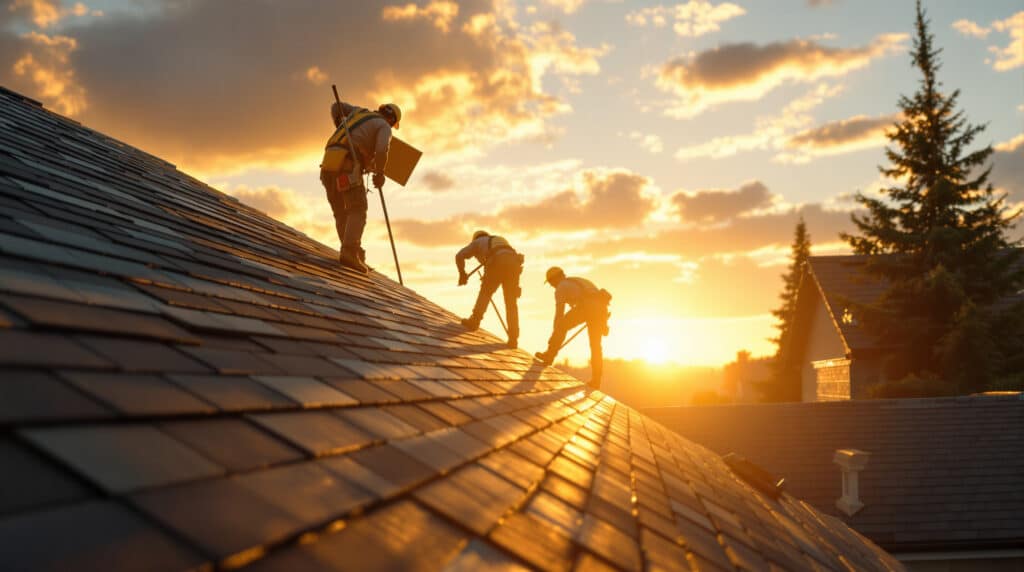
The roofing marketing ideas that generate real calls share one trait: they meet buyers at the exact moment those buyers are ready to hire. SEO, Google Business Profile, video, and reputation systems each do that. Tactics that only build impressions do not pay your crew.
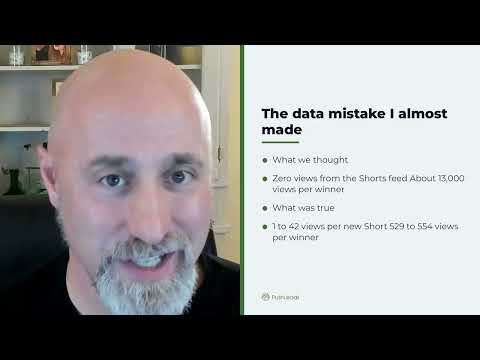
0:00 7 Roofing Marketing Ideas That Actually Generate Calls
0:22 One Trait Every Winning Tactic Shares
0:50 Why Most Roofing Marketing Fails
1:22 The Right Order to Build Your System
1:59 Google Business Profile — Fastest Local Win
2:34 Reviews Rank You — The Numbers Prove It
3:12 Channel Speed vs. Long-Term Cost-Per-Lead
3:50 Video and Email — Underused Revenue Levers
4:32 SEO vs. Paid Ads — Right Tool, Right Time
5:09 See Exactly Where Your Leads Are Leaking
Full transcript
0:00 7 Roofing Marketing Ideas That Actually Generate Calls
If your roofing company’s phone isn’t ringing consistently, your marketing isn’t broken everywhere — it’s broken somewhere specific. Today we’re covering seven roofing marketing ideas ranked by long-term return, in the exact order you should tackle them. Every tactic on this list shares one trait: it puts you in front of buyers at the moment they’re ready to hire.
0:22 One Trait Every Winning Tactic Shares
Here’s the core truth. Homeowners spending ten thousand to thirty thousand dollars on a roof do not click the first ad and hand over a deposit. They search, compare, read reviews, watch videos, and check profiles before they ever pick up the phone. Google’s own data confirms that businesses with photos receive forty-two percent more direction requests than those without. That single number tells you everything about how buyers evaluate you before they call.
0:50 Why Most Roofing Marketing Fails
Most roofing marketing fails before it starts because channels run as separate experiments with no connection to each other. A website here, a few ads there, some Facebook posts — none optimized, none talking to each other. The second mistake is starting with paid ads before the website converts. The third is running campaigns with no tracking, so there’s no way to know what’s working. PushLeads sees this exact pattern across every roofing client who comes in saying leads have dried up.
1:22 The Right Order to Build Your System
The order you build your system matters as much as the tactics themselves. Start with your Google Business Profile — it’s free and generates local calls faster than anything else. Add SEO as your long-term foundation. Optimize your website for conversion before you spend a dollar on ads. Build your review system before you need it. Layer in video as time allows. Add paid ads when you need immediate volume and email follow-up as soon as you’re capturing addresses at the estimate. Each layer multiplies the one before it. Get the order wrong and you’re burning what you build.
1:59 Google Business Profile — Fastest Local Win
Your Google Business Profile is the single fastest way to generate local leads without paying for ads. When someone searches ‘roofer near me,’ the map pack appears before organic results. An incomplete profile makes you invisible at that exact moment. Upload ten to twenty photos of real projects — before and after shots, crew photos, completed jobs. Post once or twice per week with a call to action. Google treats posting frequency as a relevance signal. This isn’t a social media strategy. It’s a local search ranking strategy that costs nothing but time.
2:34 Reviews Rank You — The Numbers Prove It
Reviews aren’t just a customer service issue — they’re a ranking factor. A roofing company with eighty reviews and a four point seven star average will outrank a competitor with twenty reviews and a four point nine average in most cases. BrightLocal data shows fifty-seven percent of consumers will only use a business with four or more stars. That’s the floor, not the goal. Automate your review request — send a text with a direct link within twenty-four hours of job completion. Respond to every review. Recency and volume both affect where you show in the map pack.
3:12 Channel Speed vs. Long-Term Cost-Per-Lead
When you look at all the channels side by side, Google Business Profile and email deliver the lowest cost per lead. SEO takes four to six months to gain traction but the cost per lead keeps dropping as rankings compound. Google Ads score highest for speed — leads arrive the same week — but cost stays high and stops the moment budget stops. Video builds slowly but creates ranking assets through YouTube that keep working after production ends. The smartest roofing companies run SEO and ads simultaneously in the early months, then let organic take the lead as it matures.
3:50 Video and Email — Underused Revenue Levers
Two channels that most roofers underuse dramatically: video and email follow-up. Title every video with your city and service type — ‘roof replacement in your city’ ranks faster than anything generic. YouTube is owned by Google, so those videos appear in search results and create a second ranking asset you didn’t have before. On the email side, three emails over one week after an estimate — day one, day three, day seven — will convert more cold estimates than a single follow-up call. The average homeowner gets two to three bids before signing. The company that follows up with useful information wins more often than the company that gave the lowest price.
4:32 SEO vs. Paid Ads — Right Tool, Right Time
On the paid versus organic question, the answer isn’t either-or. SEO costs decrease over time as rankings compound. Paid search delivers the same week but cost per lead stays high indefinitely and stops completely when budget runs out. Most roofing companies doing one million dollars in annual revenue should expect to invest fifty thousand to one hundred thousand dollars per year across all channels — that’s five to ten percent of gross revenue. Companies in competitive markets often land closer to ten percent. The companies that grow consistently aren’t spending more than their competitors. They’re spending smarter.
5:09 See Exactly Where Your Leads Are Leaking
Every idea we covered today works. The question is which ones your specific business is missing and which gaps are costing you the most calls right now. A profile with twelve reviews is leaving map pack rankings on the table. A website that loads in five seconds on mobile is handing callers to competitors. An estimate follow-up sequence that doesn’t exist means you’re closing fewer jobs than you should at your current lead volume. PushLeads works with roofing companies to find exactly where visibility breaks down and fix it in order of impact. Get your free teardown at the link in the description, or call eight two eight, three four eight, seven six eight six.
–>

Key Takeaways
Roofing companies that grow consistently do not rely on one channel. They combine organic search, local visibility, reputation management, and content to build a steady pipeline. The ideas below are ranked by long-term ROI, not novelty. If your phone is not ringing, your marketing mix is broken somewhere. Fix the foundation first, then layer on the tactics.
- Google Business Profile optimization is the fastest win for local roofing leads.
- SEO compounds over time and delivers lower cost-per-lead than paid ads.
- Video content builds trust faster than any written format for roofing buyers.
- Reputation management is a marketing channel, not just a customer service task.
- Email follow-up sequences convert more estimates into signed contracts.
- Multichannel presence reduces dependence on any single traffic source.
- Your website must be built to convert visitors, not just rank on Google.
Why Most Roofing Marketing Fails Before It Starts
Most roofing marketing fails because it treats every channel as a standalone experiment rather than a connected system. Roofing companies spend money on a website, run a few Google Ads, maybe post on Facebook, and then wonder why the phone is not ringing consistently. The problem is not the channels themselves. The problem is that none of them are optimized, and none of them talk to each other.

Roofing is a high-trust, high-ticket purchase. A homeowner who needs a new roof is not clicking the first ad they see and handing over a deposit. They search, compare, read reviews, watch videos, and check profiles before they ever pick up the phone. If your marketing is missing from any step of that process, you are losing jobs to competitors who showed up when you did not.
PushLeads has documented this pattern across roofing clients: the companies that generate leads consistently are not spending more money than their competitors. They are spending it smarter. They have a strong organic presence, a clean Google Business Profile, a website built to convert, and a system that follows up automatically. This post breaks down the specific ideas that move the needle, in the order you should tackle them.
Want more customers from Google & AI search?
Get a free SEO audit of your site — see exactly what to fix first.
Idea 1: Google Business Profile Optimization
A fully optimized Google Business Profile is the single fastest way for a roofing company to generate local leads without paying for ads. When someone searches “roofer near me” or “roof repair in [city],” the map pack appears before the organic results. If your profile is incomplete or underperforming, you are invisible to that buyer at the exact moment they are ready to hire.
What does a fully optimized roofing Google Business Profile look like?
A complete profile includes accurate business name, address, and phone number. It lists every relevant roofing service category. It has a keyword-rich business description that mentions your service area and the types of roofing you do. Upload at least 10 to 20 photos, including before-and-after project photos, crew shots, and completed job images. Photos signal activity and professionalism to both Google and potential customers. Google’s own documentation confirms that businesses with photos receive 42 percent more direction requests than those without.
Add your service area cities explicitly under the “Service Area” section. Many roofers skip this and wonder why they do not appear in nearby towns. Set your hours accurately, including holiday closures, so Google does not flag your profile for inconsistency.
How often should a roofer post to their Google Business Profile?
Posting once or twice per week keeps your profile active. Google treats posting frequency as a relevance signal. Posts can be short project updates, seasonal tips, or links to blog content. Each post should include a call to action like “Call for a free estimate.” This is not a social media strategy. It is a local search ranking strategy that costs nothing but time. Seasonal posts tied to storm season or winter prep perform especially well because they match what homeowners are actually searching.
Why do reviews matter more than most roofers realize?
Review volume and recency both affect your map pack ranking. BrightLocal’s annual Local Consumer Review Survey consistently shows that most consumers read at least two to five reviews before trusting a local business. A roofing company with 80 reviews and a 4.7-star average will outrank a competitor with 20 reviews and a 4.9-star average in most cases. Build a consistent review request process. Text or email every completed customer within 24 hours of job completion with a direct link to your Google review page. Respond to every review, positive and negative. That signals engagement to Google. For a deeper breakdown of getting more local calls through your Google Business Profile, that resource covers this topic in full detail.

Idea 2: Roofing SEO That Builds Equity Over Time
Roofing SEO is the process of making your website rank on page one of Google for searches that roofing buyers use when they are ready to hire. Unlike paid ads, SEO does not stop delivering when your budget runs out. Every ranking you earn builds on itself. A page that ranks today is easier to keep ranking tomorrow, and it costs the same whether it gets 10 clicks or 1,000.
What roofing keywords actually drive leads, not just traffic?
High-intent keywords signal buying readiness. “Roof replacement cost,” “emergency roof repair,” and “roofing contractor near me” all indicate someone who is close to a purchase decision. Informational keywords like “how long does a roof last” attract earlier-stage researchers. Both matter, but conversion rate is higher on high-intent terms. A proper keyword strategy targets both stages and builds content that moves readers from research to contact. Also target city-level and neighborhood-level phrases. “Roofer in [suburb]” often converts better than broad metro terms because the buyer is local and specific.
How long does it take for roofing SEO to show results?
New roofing websites with no existing authority typically take 4 to 6 months to see meaningful ranking movement. Established sites with existing traffic can see improvement in 6 to 12 weeks after targeted optimization work. This timeline reflects the time Google takes to crawl, index, and evaluate updated content and authority signals. Consistent publishing of location-specific content speeds this up. A page targeting “roof replacement in [city]” with real project photos, local schema markup per Schema.org standards, and proper internal linking moves faster than a generic service page.
Is roofing SEO worth the cost compared to Google Ads?
The comparison comes down to time horizon. Google Ads deliver leads immediately but cost money on every click. SEO has a higher upfront investment and a longer ramp, but cost-per-lead drops over time as rankings compound. Most roofing companies benefit from running both, especially in the early months of an SEO campaign. For a direct cost comparison, the post on roofing SEO vs Google Ads breaks down the numbers by scenario. If you are also weighing what you should budget before committing, the guide on how much roofing SEO costs explains what drives price and what to expect at different investment levels.
Related: Roofing Service Area Pages That Actually Rank and Generate Leads.
Idea 3: A Roofing Website Built to Convert, Not Just Rank
A roofing website that ranks on page one but fails to convert is just an expensive brochure. The goal of your website is not to look good. It is to turn visitors into leads. That requires specific design decisions that most roofing websites get wrong.
What should a roofing website homepage include to generate calls?
Above the fold, meaning the content visible without scrolling, needs to answer three questions in under five seconds: What do you do? Where do you serve? How do I contact you? Your phone number should be clickable on mobile and visible at the top of every page. A headline that states your service and location, a strong call-to-action button, and a photo of real completed work outperform generic stock imagery every time. Most roofing sites also miss the mobile click-to-call fixes that have the biggest impact on whether a visitor becomes a caller.
Every core service, such as residential replacement, commercial roofing, storm damage repair, and gutter work, needs its own dedicated page. One page trying to rank for everything ranks for nothing. Individual service pages also let you target specific buyer intent phrases that convert at higher rates.
How does page speed affect roofing lead generation?
Google uses page speed as a ranking factor for both desktop and mobile search. Beyond rankings, slow pages lose visitors before they ever see your offer. A page that takes more than three seconds to load loses a significant share of mobile visitors according to Google’s own research. Compress images to under 150KB each, use a reliable hosting provider, and eliminate plugins or scripts that add load time without adding value. Run your site through Google PageSpeed Insights monthly. A score below 70 on mobile is actively costing you leads.
What trust signals convert roofing website visitors into leads?
Trust signals include real customer reviews displayed on the page, photos of your crew and completed jobs, manufacturer certifications you hold, a physical address, a local phone number, and a clear warranty statement. Video testimonials convert at higher rates than written ones because buyers can see and hear a real customer. Structured data markup from Schema.org, specifically LocalBusiness and Review schema, helps Google surface your ratings directly in search results. A local SEO site audit can surface the specific conversion and ranking issues your roofing site has that are costing you booked jobs.
Idea 4: Video Marketing That Closes the Trust Gap
Video content builds trust faster than any other format for roofing buyers. A homeowner considering a $10,000 to $30,000 roof replacement wants to see the company behind the quote. Video lets them do that before the first phone call. Roofers who use video consistently generate more referrals, more reviews, and higher close rates on estimates.
What types of videos work best for roofing marketing?
Project videos showing the before, during, and after of a roof replacement build credibility. Customer testimonial videos give social proof in a format buyers trust. Educational videos like “How to spot storm damage on your roof” attract early-stage researchers through organic search. Short-form videos for platforms like YouTube or social media extend your reach without requiring a large production budget. A smartphone, good lighting, and a tripod are enough to start. Title every video with the location and service type. “Roof Replacement in [City], NC” will rank faster than a generic title with no geographic signal.
How does video help roofing companies rank on Google?
YouTube is owned by Google. Videos from YouTube appear in Google search results, often above traditional web pages for certain queries. A video titled “Roof replacement in [your city]” with a proper description, tags, and a link back to your website creates a second ranking asset you did not have before. Embed those videos on your website service pages. Pages with embedded video have longer average session times, which is a positive signal for Google. Search Engine Land has covered the growing importance of video content in local search results across multiple studies.
Idea 5: Reputation Management as a Revenue Channel
Most roofers think of reviews as a customer service issue. They are actually a marketing channel with a direct line to revenue. Your review profile appears in every local search result tied to your business. It affects your map pack ranking, your ad quality score if you run Google Ads, and the conversion rate of anyone who visits your website or profile.
How should a roofing company build a review system that actually works?
Automate the ask. Send a review request text within 24 hours of job completion. The message should be short, personal-sounding, and include a direct link to your Google review page. Do not wait until the end of the month to send requests in bulk. Recency matters to Google. A company that earns five reviews this week looks more active than one that got 20 reviews six months ago and has been quiet since. BrightLocal data shows that 57 percent of consumers will only use a business if it has four or more stars. That threshold is table stakes for roofing, not a differentiator.
What should a roofer do about negative reviews?
Respond to every negative review within 48 hours. Keep the response calm, factual, and focused on resolution. Do not argue publicly. A composed response to a negative review often converts skeptical buyers better than a page of five-star reviews, because it shows how you handle problems. Flag reviews that violate Google’s policies for removal, but do not expect fast results. Focus energy on generating new positive reviews rather than fixating on one bad one.
Idea 6: Targeted Paid Ads That Generate Calls, Not Just Clicks
Paid search through Google Ads can generate roofing leads the same week you launch a campaign. The problem is that most roofing companies run broad campaigns with no geographic targeting, poor landing pages, and no call tracking. They spend $2,000 a month and cannot tell you which ads produced a single booked job.
What ad types work best for roofing companies?
Call-only campaigns on Google Ads are built specifically for service businesses. Instead of sending clicks to a website, the ad places a phone call directly. This removes the landing page from the equation and puts your phone number in front of a buyer who is already searching on mobile. Local Services Ads, which Google runs separately from standard search ads, show your name, rating, and a call button at the very top of results. Roofing companies that qualify for Google’s “Google Guaranteed” badge through Local Services Ads see higher trust and click-through rates. See also our guide on Call-Only Campaigns.
How do you avoid wasting money on roofing Google Ads?
Set a tight geographic radius that matches your actual service area. Add negative keywords to block irrelevant searches. “Roofing jobs,” “roofing salary,” and “DIY roofing” are examples of searches that eat budget without producing leads. Use call tracking numbers so you know exactly which keywords and ads produce phone calls. Review the search terms report weekly and cut terms that get clicks but no calls. Without this discipline, paid roofing ads are an easy way to spend money fast with nothing to show for it.
Idea 7: Email and Follow-Up Sequences That Convert Estimates Into Jobs
Most roofing companies give a homeowner an estimate and then follow up once or not at all. The average homeowner gets two to three estimates before signing. The company that follows up with useful information after the estimate wins more often than the company that gave the lowest price. Email sequences automate this without adding work to your day.
What should a roofing follow-up email sequence include?
Send the first email the same day as the estimate. Include a summary of what you discussed, a link to your reviews, and a photo of a similar completed job. Send the second email three days later with an educational piece: something like “What to look for when comparing roofing estimates” that positions your quality standards favorably without attacking competitors. Send the third email at day seven with a soft urgency message tied to your schedule or material pricing. Three emails over one week will convert more of your cold estimates than a single phone call ever will. Keep each email under 200 words. Short, direct messages get read. Long ones get deleted.
Can a small roofing company run email follow-up without a big tech setup?
Yes. Tools like Jobber, ServiceTitan, or even a basic Mailchimp account connected to a simple intake form can automate this sequence. The setup takes a few hours once. After that, every new estimate automatically enters the sequence. The key is capturing the homeowner’s email at the time of the estimate, not after. Make it part of your intake form. A name, phone number, and email address are the minimum you need to run a follow-up sequence that costs almost nothing and consistently adds revenue.
Roofing Marketing Channels Compared by ROI and Speed
| Channel | Time to First Lead | Cost Per Lead Over Time | Stops When You Stop Paying? | Best For |
|---|---|---|---|---|
| Google Business Profile | Days to weeks | Very low | No | Local map pack visibility |
| Roofing SEO | 4 to 6 months | Decreases over time | No | Long-term organic lead flow |
| Google Ads / LSA | Same week | High, stays high | Yes | Immediate lead volume |
| Video Marketing | Weeks to months | Low after production | No | Trust building, search visibility |
| Reputation Management | Ongoing | Very low | No | Conversion rate, map pack rank |
| Email Follow-Up | Immediate (existing leads) | Very low | No | Closing more estimates |
| Website Conversion Optimization | Immediate impact on existing traffic | One-time investment | No | Turning visitors into callers |
How to Build a Roofing Marketing Strategy That Holds Together
Individual tactics only work when they feed each other. Your Google Business Profile drives calls directly and also sends traffic signals that help your SEO. Your SEO brings visitors to your website. Your website converts them with trust signals and a clear call to action. Your review system builds the reputation that makes every other channel perform better. Your email sequence turns estimates you would have lost into signed contracts.
Start with Google Business Profile because it is free and fast. Add SEO as a long-term foundation. Optimize your website for conversion before you spend money on ads. Build your review system before you need it. Add video as budget and time allow. Layer in paid ads when you need immediate volume or want to fill a slow season. Add email follow-up as soon as you have an intake process that captures email addresses.

This order matters. Roofers who start with paid ads and send traffic to a website that does not convert are burning money. Roofers who start with SEO on a website that loads slowly and has no call-to-action are wasting the rankings they earn. Get the order right and each layer multiplies the one before it.
How do roofing marketing managers track what is working?
Track calls by source using a call tracking platform like CallRail. Set up Google Analytics 4 with conversion goals tied to form submissions and phone number clicks. Review your Google Business Profile insights monthly for call and direction request trends. Check your organic keyword rankings weekly using a tool like Semrush or Ahrefs. Paid ad campaigns need weekly budget and search term reviews. Without tracking, you are guessing. With tracking, you cut what does not work and double what does.
Roofing Marketing for Specific Situations
Not every roofing company is in the same position. A new company with no online presence needs different priorities than an established company trying to break into a competitive metro market. A company focused on storm restoration has different keyword targets than one doing primarily residential replacement. A company targeting commercial roofing needs different content and trust signals than one built around insurance claims work.
The framework stays the same. The execution adjusts. A storm restoration company should build content around insurance claim processes, work with public adjusters, and target keywords like “insurance roof claim help” alongside standard replacement terms. A commercial roofer needs case studies with square footage, material specs, and business references rather than homeowner testimonials. Adjust your messaging and content to the buyer you are actually trying to reach. Generic roofing marketing produces generic results.
Is marketing for roof restoration companies different from standard residential?
Yes. Roof restoration buyers are often further along in the decision process. They have a specific problem, often storm or water damage, and they want a company that understands the insurance process. Marketing for restoration should include educational content about what an adjuster looks for, how the claim timeline works, and what documentation a homeowner needs. This content builds trust with exactly the buyer who is most likely to call for help navigating a stressful situation. It also ranks for specific queries that restoration-ready buyers use, which means less competition than generic roofing terms.
Frequently Asked Questions
What are the best roofing marketing ideas for a company just starting out?
Start with your Google Business Profile. It costs nothing and produces local leads faster than any other channel. Get your first 10 to 20 reviews from past customers, family referrals, and neighbors. Build a simple website with a clear phone number, your service area, and at least one page per core service. Run a small Google Local Services Ad campaign if you need immediate leads while your organic presence builds. Do not try every channel at once. Nail these three first.
How much should a roofing company spend on marketing?
Most roofing companies that grow consistently invest 5 to 10 percent of gross revenue back into marketing. A company doing $1 million in annual revenue should expect to spend $50,000 to $100,000 per year across all channels. That includes SEO, paid ads, website maintenance, and any agency or software costs. Companies in highly competitive markets often spend closer to 10 percent. New companies trying to establish market presence may need to spend more initially before organic channels produce consistent returns.
What is the fastest way to get more roofing customers right now?
Google Local Services Ads and Google Business Profile are your fastest paths. LSA puts your name, rating, and phone number at the top of search results and charges per lead, not per click. An optimized Google Business Profile can start generating calls within days of improvement. Combine both with a call-only campaign targeting your highest-intent keywords. This three-part setup is what most growth-focused roofing companies use to fill short-term pipeline gaps while longer-term channels like SEO ramp up.
How do roofers get more leads from SEO specifically?
Build individual service pages for each offering. Build location pages for each city or suburb you serve. Publish blog content that answers specific questions buyers search, such as roof replacement cost estimates, how to spot storm damage, or what a roofing warranty covers. Add Schema.org structured data markup so Google can read your business information accurately. Earn backlinks from local directories, suppliers, and chamber of commerce listings. Each of these signals compounds. Roofers who do all of them consistently outrank competitors who do only one or two.
Does social media actually work for roofing marketing?
Social media works best as a trust reinforcement tool, not a primary lead channel. Posting project photos on Facebook and Instagram keeps your company visible to past customers who refer you. Neighborhood Facebook groups are high-value for storm response marketing because homeowners ask each other for contractor recommendations in real time. Social media rarely produces cold leads at the volume that SEO or paid search does. Use it consistently but do not count on it as your primary revenue driver. It supports other channels rather than replacing them.
What digital marketing options work best for roofers with a small budget?
Google Business Profile optimization and review generation cost nothing except time. A basic website with proper on-page SEO can be maintained for under $100 per month. Free video content on YouTube builds ranking assets at no cost beyond your time. If you have any paid budget, Google Local Services Ads with a pay-per-lead model gives you the most control at a small scale. Avoid spending small budgets across too many channels. Pick two, do them well, and expand as revenue grows.
How do I track which roofing marketing ideas are actually driving calls?
Use a call tracking platform like CallRail to assign unique phone numbers to each channel. Your website gets one number. Your Google Business Profile gets another. Your ads get another. Every call maps to its source. Set up Google Analytics 4 with goals for form submissions and mobile click-to-call actions. Review this data monthly and cut channels that cost money without producing calls. Most roofing companies are surprised to learn which channel drives most of their revenue once they actually measure it.
Can a roofing company do its own marketing or does it need an agency?
A roofing company can handle social media posting, Google Business Profile management, and basic review requests in-house. SEO and paid ad management typically produce better results with professional help because both require ongoing technical knowledge and time investment that most owner-operators do not have. The decision usually comes down to your time cost versus the agency fee. If you are doing $500,000 or more in revenue and want to scale, professional marketing management pays for itself quickly in the form of jobs you would not have won otherwise.
See Exactly Where Your Roofing Leads Are Leaking
Every idea in this post works. The question is which ones your specific business is missing, and which gaps are costing you the most calls right now. A profile with 12 reviews is leaving map pack rankings on the table. A website that loads in five seconds on mobile is handing callers to your competitors. An estimate follow-up sequence that does not exist means you are closing fewer jobs than you should at your current lead volume.
PushLeads works with roofing companies to identify exactly where their visibility breaks down and fix it in order of impact. You do not need a complete overhaul. You need to know which lever moves first.
See exactly where your visibility stands with a free teardown at seo.pushleads.com/audit or call 828-348-7686.
Keep Reading
Want more customers from Google & AI search?
Get a free SEO audit of your site — see exactly what to fix first.
Your path · Emergency Service Marketing for Home Service Contractors
Keep going: read these next

- Up nextEmergency Electrical Contractor Marketing: How to Capture More Urgent Service Calls
- Emergency Appliance Repair Marketing: How to Get More Same-Day Service Calls
- Emergency Pool and Spa Marketing: How to Win Repair and Service Calls in the Most Competitive Home Service Niche


Want this done for you?
Scan your site. See the gaps. Decide with numbers.
- Rankings, Google Business Profile and site-speed teardown
- Report lands in your inbox in about a minute
- No obligation · 4.9 from 67 Google reviews
 Continue reading