

Key Takeaways
Part of our Restoration Leads: Fill Your Pipeline Year-Round. Want it done for you? See our restoration SEO and marketing agency.
Building real relationships with insurance adjusters is one of the fastest ways restoration contractors get a steady flow of referrals. Adjusters steer homeowners to trusted contractors constantly, and the companies that show up consistently, communicate clearly, and make adjusters’ jobs easier win the most jobs. This is not about luck. It is about a repeatable system.
- Insurance adjusters refer work to contractors they trust, not just contractors they know.
- Communication speed and documentation quality are the two factors adjusters value most.
- Showing up at inspections builds credibility faster than any brochure or cold call.
- Tracking referral sources lets you measure which adjuster relationships actually produce revenue.
- Pairing adjuster relationships with a strong digital presence creates a compounding referral engine.
Why Insurance Adjusters Control More Restoration Jobs Than You Think
When a pipe bursts at 2 a.m. or a storm peels half a roof off, the homeowner does not call a contractor first. They call their insurance company. That call goes to a claims adjuster, and that adjuster immediately starts thinking about who can handle the job. According to Insurance Information Institute data, homeowners filed over 6 million property damage claims in a recent year in the United States alone. Each one of those claims is a potential referral, and the adjuster sitting in the middle of that process decides where it goes.
Adjusters are not just paperwork processors. They are gatekeepers. A claims professional who handles 15 to 20 active files at once is always looking for contractors who make their life easier. When they find one, they stick with them. That loyalty translates directly into a pipeline of jobs that never really dries up. For restoration contractors in markets like Asheville, NC, where weather events create seasonal spikes in claims, one solid adjuster relationship can mean dozens of referrals per year. Understanding how seasonal demand affects your marketing strategy can help you stay visible exactly when adjuster activity surges.

This is where a lot of restoration companies leave money on the table. They focus almost entirely on advertising or SEO while ignoring the human networks that actually move jobs. Both matter, but understanding how adjusters think is what separates contractors who scramble for work from contractors who turn away jobs. For complete coverage, see our Restoration SEO Agency Guide resource on generating consistent restoration leads.
What does an adjuster actually look for in a restoration contractor?
Speed, documentation, and communication are the top three. An adjuster needs moisture readings, photo documentation, and scope of work delivered quickly because their own performance is measured by how fast they close claims. A contractor who shows up within two hours, photographs everything, and submits a clean Xactimate estimate is a gift to an adjuster’s workload. Contractors who miss details, pad estimates, or go silent for days are a liability.
How many referrals can one adjuster relationship realistically generate?
A single independent adjuster who handles residential and commercial property claims can process 200 to 400 claims per year during active seasons. Even if they steer just 10 percent of those to a preferred contractor, that is 20 to 40 jobs from one relationship. Multiply that across five or six adjuster contacts and the math becomes very compelling.
Want more customers from Google & AI search?
Get a free SEO audit of your site — see exactly what to fix first.
Building the Relationship Before the Storm Hits
The worst time to introduce yourself to an adjuster is during a major loss event when everyone is overwhelmed. The best time is a quiet Tuesday morning over coffee. Proactive outreach is what separates contractors who get called from contractors who get overlooked. According to IICRC standards for water damage restoration, following documented mitigation protocols is not just best practice. It is the kind of professional consistency that adjusters notice and remember.

Start by identifying the independent adjusting firms and staff adjusters for the major carriers operating in your area. In most markets, a handful of companies handle the bulk of residential claims. Request a 20-minute introduction meeting. Bring a one-page overview of your services, your certifications, and your average response time. Do not pitch hard. Ask questions about what frustrates them most about working with contractors. Then go fix those things.
Should restoration contractors attend insurance industry events?
Yes, and most contractors skip this entirely, which means the ones who do show up stand out immediately. State and regional insurance associations hold annual conferences, continuing education seminars, and networking mixers. A $300 conference registration can introduce you to 40 adjusters in a single day. That kind of density of relationship-building is nearly impossible to replicate through cold outreach alone.
What materials or tools make the best impression during adjuster meetings?
A clean portfolio showing before and after documentation, sample Xactimate reports, and proof of IICRC certifications carries real weight. Adjusters also respond well to contractors who use software platforms like Dash or JobNimbus because it signals professionalism and makes communication traceable. Bring a simple one-page response time guarantee. Concrete commitments are more memorable than general promises.
For the bigger picture, see our SEO for restoration companies guide.
Communication Habits That Keep Adjusters Calling You Back
Getting the first referral is step one. Keeping the referral relationship alive comes down to what happens next. The single biggest complaint adjusters have about contractors is going dark after the job starts. A homeowner calls the adjuster frustrated because no one returned their calls, and suddenly the adjuster regrets the referral. That is a relationship-ender.
Set a standard of proactive updates. A brief text or email to the adjuster at key milestones, when mitigation starts, when drying readings hit target, when reconstruction begins, costs almost nothing and builds enormous goodwill. FEMA guidance on disaster recovery consistently shows that communication gaps are the leading cause of homeowner dissatisfaction during restoration events. Fixing that gap makes you the contractor adjusters brag about to their colleagues. Learning how to convert more phone calls into booked jobs reinforces the same communication discipline that keeps adjuster relationships strong.
PushLeads has worked with restoration contractors who tracked their referral sources and discovered that over 60 percent of their consistent volume came from fewer than five adjuster relationships. That concentration is a risk if those relationships go cold, but it also shows how powerful each individual relationship can be when it is properly maintained.
How often should a contractor follow up with adjusters between jobs?
Monthly contact is a reasonable baseline. A quick email sharing a case study, a relevant industry update, or a heads-up about seasonal storm patterns in your area keeps you top of mind without becoming annoying. During major storm seasons, increase contact to weekly check-ins offering capacity availability and rapid deployment updates.
Does response time actually affect referral rates from adjusters?
Dramatically. BrightLocal reports that 77 percent of consumers expect a local service provider to respond within 24 hours, and adjusters apply the same expectation to the contractors they recommend. A contractor who consistently arrives on site within two hours of a claim notification will be referred over a technically superior contractor who takes 12 hours to respond.
Documenting Your Work in Ways Adjusters Appreciate
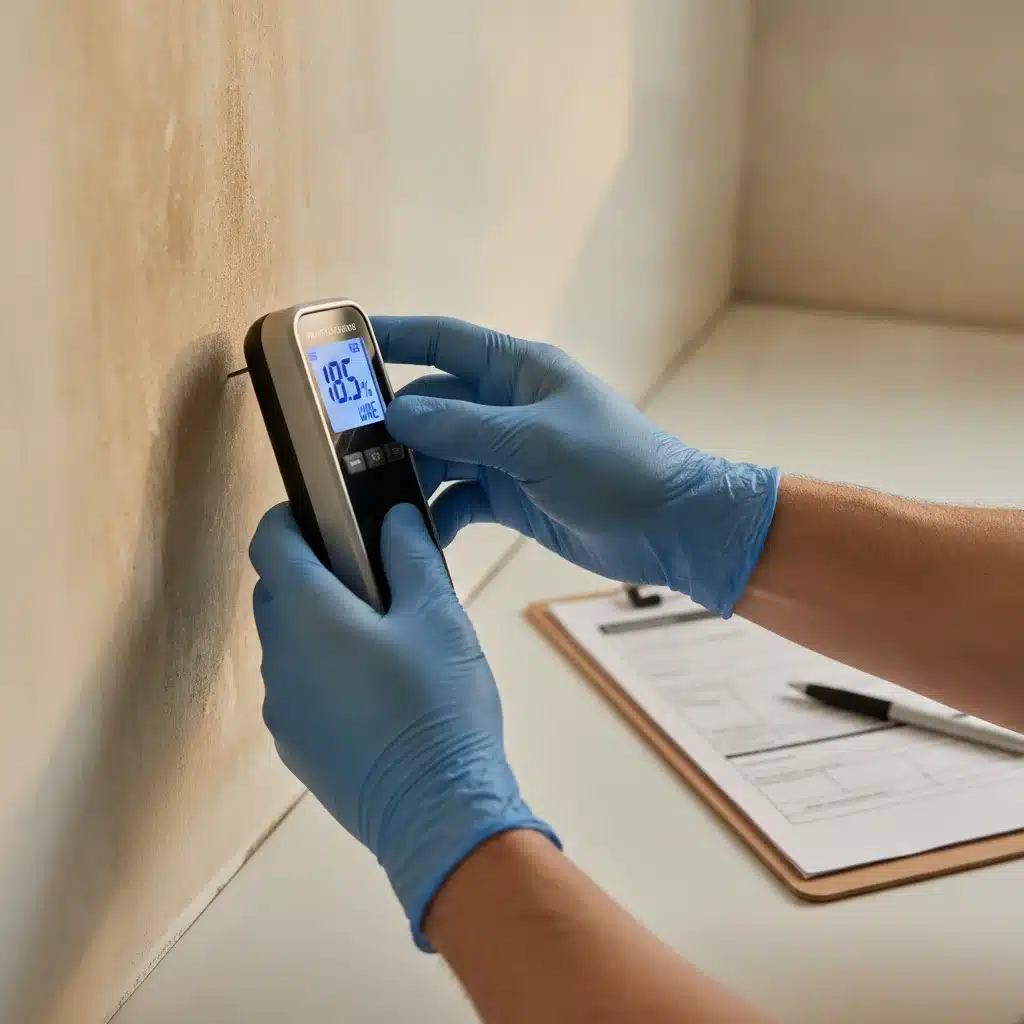
Good documentation is not just about protecting yourself in a dispute. It is a relationship-building tool. When an adjuster receives a well-organized file from you, with timestamped photos, moisture logs, psychrometric readings, and a clean narrative scope, they can close that claim faster. Faster claim closure is a win for their performance metrics, and they remember who made it possible.
According to EPA mold guidance, moisture documentation during water damage events is critical to preventing secondary mold growth and defending remediation decisions. Thorough documentation protects the homeowner, protects the adjuster’s recommendation, and protects your invoice. It is a triple win that adjusters recognize immediately. Homeowners who later search for information about how much it costs to have someone clean mold are far more likely to trust contractors with documented track records of professional remediation work.
Use industry-standard tools. Xactimate remains the dominant estimating platform in insurance restoration. Moisture mapping software that produces PDF reports adjuster can attach directly to the claim file saves them a step. Every time you save an adjuster a step, you increase the probability of the next referral.
What documentation format do adjusters prefer from contractors?
Most prefer PDF reports they can attach to claims management systems like Guidewire or Symbility. Photos should be high resolution and labeled by room and date. Moisture readings should be presented in a simple grid format rather than buried in paragraph text. The easier your report is to scan in 60 seconds, the more the adjuster appreciates it.
In this video
- 0:00 Why Random Referrals Kill Your Pipeline
- 0:57 Referral Leads vs Paid Advertising Numbers
- 2:02 Industry Data on Referral Revenue
- 2:40 Four Partner Categories Ranked by Value
- 3:12 Plumber Partnerships Pitch and Incentives
- 4:51 Insurance Agents Adjusters and CE Events
- 7:05 Property Managers and the Priority Text Line
- 7:15 Five-Step Referral Program Launch Sequence
- 8:37 CRM Selection and Referral Tracking Setup
- 9:23 Annual Partner Cadence and Performance Review
- 10:10 Local Search Visibility Backs Every Referral
Full transcript: Restoration Referral Program Blueprint: Agents, Adjusters and Plumbers
Does IICRC certification influence how adjusters view a contractor’s documentation?
Significantly. IICRC-certified contractors follow the S500 and S520 standards, which adjusters and carriers recognize as the professional benchmark. Carriers increasingly require IICRC certification for contractors on their preferred vendor lists. Certification is not optional if you want to compete for insurance-referred work at scale.
Turning Referral Relationships Into a Trackable System
Most contractors treat adjuster referrals as a social activity rather than a business system. They know that a certain adjuster sends them work, but they cannot tell you how much revenue that relationship generated last quarter. That blind spot makes it impossible to invest intelligently in relationship-building.
Build a simple CRM tracking field that captures referral source on every job. At month’s end, sort by referral source and calculate revenue per relationship. You will almost certainly find that a small number of adjusters generate a disproportionate share of your referred work. Those are the relationships that deserve more investment. The ones generating little or no volume deserve a different strategy.

PushLeads helps restoration contractors pair this kind of relationship data with digital marketing performance tracking so that referral revenue and online lead revenue are visible in the same dashboard. When you can see both channels together, resource allocation decisions become obvious rather than guesswork. For contractors looking to strengthen their overall visibility alongside adjuster relationships, resources like local SEO strategies for contractors and how restoration contractors attract premium clients instead of price shoppers show how digital and relational referrals compound each other.
What CRM tools work well for restoration contractors tracking referrals?
JobNimbus, AccuLynx, and Dash are purpose-built for restoration and remodeling contractors. Each allows custom fields for referral source tagging. For smaller operations, even a simple Google Sheet with columns for job number, referral source, adjuster name, carrier, and job revenue gives you enough data to make decisions.
How do you measure the ROI of relationship-building with adjusters?
Calculate revenue per adjuster relationship annually. Divide that by the time and money invested in maintaining the relationship. A contractor who spends $1,500 per y
Keep Reading
Want more customers from Google & AI search?
Get a free SEO audit of your site — see exactly what to fix first.
Your path · Restoration Leads
6 articles. About 105 minutes.


Want this done for you?
Scan your site. See the gaps. Decide with numbers.
- Rankings, Google Business Profile and site-speed teardown
- Report lands in your inbox in about a minute
- No obligation · 4.9 from 67 Google reviews

