
Key Takeaways
Want it done for you? See our restoration SEO and marketing agency.
Storm damage inquiries flood in fast, but most restoration companies lose them within the first hour. Speed, scripted follow-up, and a clear booking process turn those calls into confirmed jobs before a competitor picks up the phone. The companies that book the most storm work are the ones with a system, not just good intentions.
- Respond to storm inquiries within 5 minutes to dramatically increase your booking rate
- Use a qualification script that moves callers from emotional distress to scheduled appointments
- Build a follow-up sequence that nurtures leads who don’t book on the first call
- Make it easy for prospects to say yes with online scheduling and upfront pricing clarity
- Track every inquiry source so you know which marketing channels drive real revenue
Why Storm Damage Leads Slip Through the Cracks
Storm season hits Asheville, NC and the phones start ringing. Homeowners are stressed, they want answers fast, and they’re calling three or four restoration companies at the same time. The problem isn’t getting the inquiry. The problem is what happens in the next ten minutes.
According to IICRC water damage standards, water intrusion begins causing structural damage and mold risk within 24 to 48 hours of a storm event. That urgency is real, and your prospects feel it. But most restoration businesses handle storm calls with the same casual process they use for a routine estimate, and that mismatch costs jobs.

The gap between inquiry and booked job usually comes down to three things: slow response time, no qualification script, and zero follow-up after the first contact. Fix those three things and your conversion rate will climb, sometimes by 30 to 50 percent, without spending an extra dollar on advertising. For complete coverage, see our Restoration Leads: How to Fill Your Pipeline Year-Round resource on generating and converting restoration leads at every stage of the funnel.
PushLeads has tracked inquiry-to-booking data across restoration clients and the pattern is consistent. The companies booking the most storm jobs aren’t necessarily the biggest or the cheapest. They’re the fastest and the most organized.
Want more customers from Google & AI search?
Get a free SEO audit of your site — see exactly what to fix first.
The 5-Minute Rule That Changes Everything
Speed is not a nice-to-have. It’s the single biggest variable in whether a storm damage inquiry becomes your job or someone else’s. According to a study cited by the Insurance Information Institute, homeowners dealing with property damage contact an average of three to four service providers before making a decision, and the first responder wins the job more than 50 percent of the time.
Why Does Response Time Matter So Much for Storm Calls?
A homeowner standing in a flooded basement is not in a comparison-shopping mindset. They’re in panic mode. They want someone who answers, sounds calm and competent, and can tell them when help is coming. If you call back in three hours, they’ve already booked someone else. The 5-minute rule means your team answers or returns every storm inquiry within five minutes during business hours, and within 30 minutes outside of them.
This requires a real system. A dedicated storm line, after-hours coverage through an answering service trained on your scripts, and clear protocols for who owns incoming leads. It’s not complicated, but it has to be built before the storm, not after.
What Tools Help Restoration Companies Respond Faster?
Simple tools work. A CRM like ServiceTitan or JobNimbus routes incoming calls, logs inquiries, and triggers automatic text responses when someone fills out a web form. That auto-text alone, sent in under 60 seconds, tells the prospect you’re on it. Pair that with a live answering service trained on your intake script and you’ve covered the response gap without hiring three more office staff.
Building a Script That Books, Not Just Talks

Most restoration companies answer storm calls the same way they answer any call, which is friendly but unstructured. A qualified booking script does something different. It moves the caller through three stages: acknowledge the situation, qualify the damage, and confirm the appointment.
How Do You Qualify a Storm Damage Caller Quickly?
Start with empathy, then get specific. Something like: “I’m really sorry to hear that. We want to get someone out to you today. Can I ask a few quick questions so we can send the right crew?” Then ask about the type of damage (water, wind, structural), whether the property is safe to enter, and whether insurance is involved. These answers shape the service call and signal to the homeowner that you know what you’re doing.
What Makes a Homeowner Commit to an Appointment on the First Call?
Three things close the appointment on the first call. First, give a specific arrival window, not “sometime today.” Second, confirm you handle insurance documentation, because roughly 90 percent of significant storm damage claims involve an insurer. Third, remove friction by offering to send a confirmation text with your tech’s name and photo before they arrive. That last detail sounds small but it builds enormous trust with a stranger who’s about to let you into their home.
See also our guide on Commercial storm damage restoration keywords.
Following Up Without Being Annoying
Some callers don’t book on the first contact. Maybe they’re waiting to hear back from their insurance adjuster. Maybe they called three companies and they’re comparing. Either way, they’re not a dead lead. They’re a warm lead who needs a follow-up sequence.
What Does a Good Storm Lead Follow-Up Sequence Look Like?
A three-touch sequence works well. Touch one is a text within one hour of the call: “Hi, this is [Name] from [Company]. Just checking in to see if you have any questions about your storm damage situation. We’re ready to get a crew out to you.” Touch two is an email at the 24-hour mark with a brief overview of your process and a link to schedule online. Touch three is a phone call at 48 hours, which is your last direct outreach before moving them to a longer nurture list.
According to FEMA flood guidance, delayed remediation after storm events significantly increases long-term structural repair costs. That’s a real point you can share with hesitant homeowners to help them understand why waiting is the more expensive choice.
Should You Use Automated Texts or Personal Calls for Follow-Up?
Both. Automated texts handle the first and second touch efficiently, especially when you’re managing 40 storm inquiries in 48 hours. But a personal call on the third touch makes a difference. People can feel the difference between a robot sequence and a human who picked up the phone specifically to check on them. That human touch is often what converts a hesitant prospect into a booked job.
Making Your Website Do Half the Work
Your website should be converting storm inquiries 24 hours a day, including the 2 a.m. storm that just rolled through someone’s neighborhood. That means a clear storm damage landing page, a fast-loading contact form, and an online scheduler that lets homeowners book an inspection without talking to anyone.
For the bigger picture, see our restoration company SEO guide.
According to EPA mold guidance, mold growth begins within 24 to 48 hours of water intrusion, which means homeowners searching after a storm are already in a time-sensitive situation. Your site needs to reflect that urgency, not bury them in generic homepage copy about your company history.
What Should a Storm Damage Landing Page Include?
A high-converting storm page has five elements. A headline that names the storm or the season (“Asheville Residents: Storm Damage Help Available Today”). A clear list of what you handle, water, wind, roof tarping, mold prevention. A trust signal like your license number or IICRC certification. A phone number in the header that’s click-to-call on mobile. And a short form with three fields maximum, name, phone, and damage type.
“Restoration contractors who follow structured remediation documentation processes see significantly faster insurance claim approvals,” says the Institute of Inspection, Cleaning and Restoration Certification, the standard-setting body for the remediation industry. That documentation process starts at inquiry, which is another reason a clean, professional intake system matters to your customers.
How Does SEO Help You Get More Storm Inquiries to Convert?
You can’t convert inquiries you never receive. Getting your site in front of storm-affected homeowners means ranking for the right local search terms at the right moment. A page optimized for “emergency storm damage repair Asheville NC” will capture searches that happen in real time during and after a weather event. Check out this breakdown of local SEO for contractors to see how restoration companies build that kind of search presence before storm season hits.
In this video
- 0:00 Storm Season Visibility Won Before Forecast
- 1:03 Why Storm Demand Behaves Differently
- 2:03 Six Assets to Build in Advance
- 2:04 Storm Page Structure That Matches Search
- 3:03 GBP Configuration for Emergency Searches
- 4:16 LSA Verification and Dispute Strategy
- 5:01 After-Hours Answer and Review Velocity
- 6:34 Storm-Day Execution Hour by Hour
- 7:50 After-Storm Plays Mitigation to Reconstruction
- 9:23 AI Search and Getting Recommended
- 10:11 Six Metrics to Track Per Storm Event
Handling Insurance-Related Inquiries Differently
A homeowner filing an insurance claim is a different conversation than a cash-pay customer. They need to know you work with their insurer, that you document everything properly, and that you’ll handle the headache of paperwork for them. That last point is often the deciding factor.
What Do Homeowners With Insurance Claims Need to Hear?
They need to hear four things: you’ve worked with their insurance company before, you provide a detailed damage report for the adjuster, you can start mitigation before the claim is fully settled, and you won’t leave them in limbo. Address all four in your intake call and you’ve removed the biggest objections before they’re even raised.
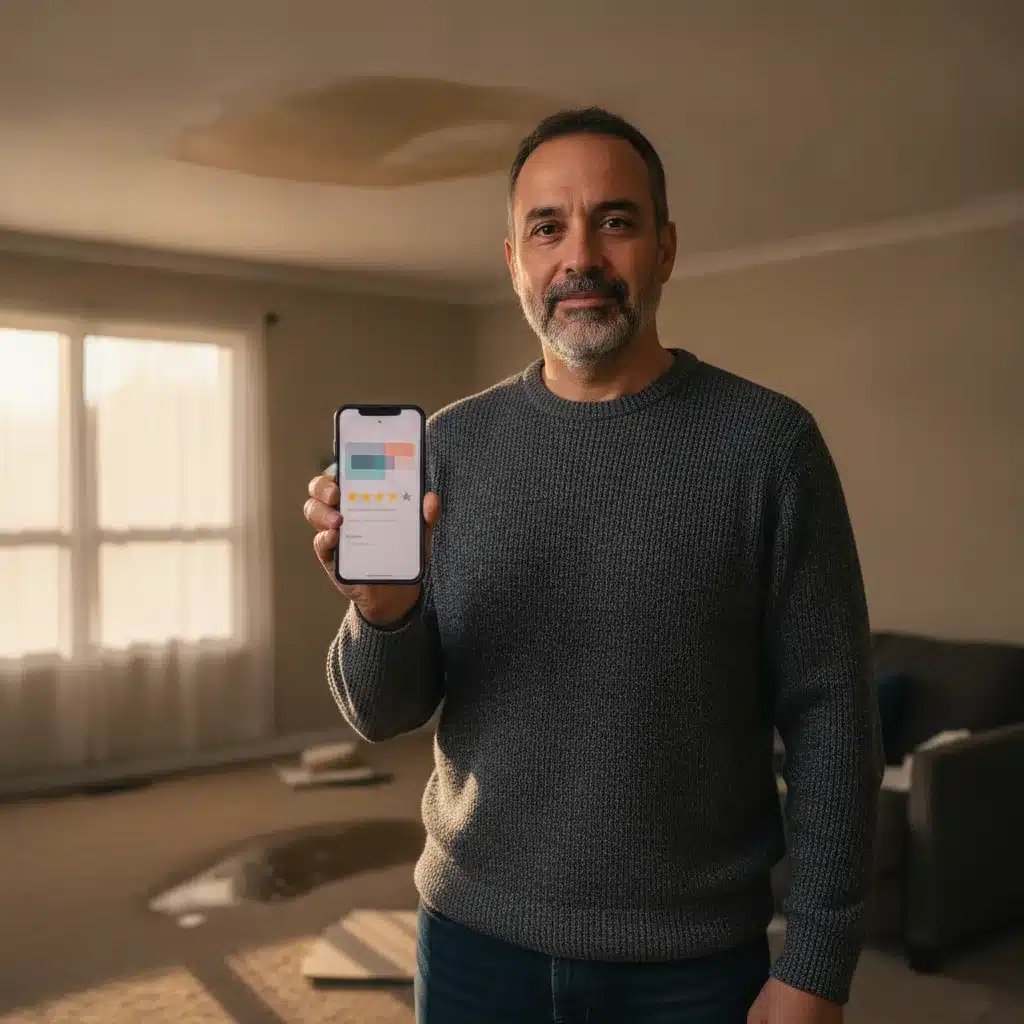
BrightLocal research shows that 87 percent of consumers read online reviews for local service businesses before making a contact decision. Homeowners filing insurance claims are especially review-conscious because the stakes are high. Your Google Business Profile reviews, especially those that mention insurance handling, become a direct conversion tool.
Should You Offer a Free Inspection for Insurance Claims?
Yes, but frame it correctly. “Free inspection” sounds like a sales tactic. “No-cost damage assessment for your insurance documentation” sounds like a service. The assessment is the same thing, but the framing signals that you’re there to help them navigate a process, not sell them something. That framing converts better with insurance-claim callers, consistently.
Tracking Which Inquiries Turn Into Revenue
If you’re not tracking inquiry sources, you’re flying blind. You might be spending money on ads that bring in curious callers and getting organic leads that actually book, or the reverse. Knowing where your booked jobs come from lets you put more money and energy into the channels that work.
What Metrics Should Restoration Companies Track for Storm Lead Conversion?
Track five numbers minimum: total inquiries by source, inquiry to appointment rate, appointment to booked job rate, average job value by source, and cost per booked job. Most CRMs will give you this data if you set up the intake fields correctly from day one. If you’re doing this manually, a simple spreadsheet works until your volume justifies software.

The SEO reporting for contractors resource from PushLeads walks through exactly how to connect your marketing channels to real revenue numbers, which is the same discipline that applies to tracking storm lead conversions.
Keep Reading
Want more customers from Google & AI search?
Get a free SEO audit of your site — see exactly what to fix first.
Your path · Restoration Leads
6 articles. About 90 minutes.


Want this done for you?
Scan your site. See the gaps. Decide with numbers.
- Rankings, Google Business Profile and site-speed teardown
- Report lands in your inbox in about a minute
- No obligation · 4.9 from 67 Google reviews

