
TL;DR: Water mitigation is emergency water removal within hours to stop damage ($250-$2,000). Water restoration is repairing and rebuilding after drying ($2,000-$6,000+). Water remediation is comprehensive contamination cleanup, especially for sewage or mold ($5,000-$15,000+). They happen in sequence, and skipping mitigation turns small problems into expensive disasters.
Quick Navigation:
Water damage professionals use three distinct terms that homeowners often confuse: mitigation, restoration, and remediation. Understanding these differences matters because insurance policies use specific language, claims adjusters expect certain procedures, and knowing what phase you’re in helps you plan timelines and budgets. According to Angi, water mitigation costs average $600 while full restoration averages $4,000. Confusing these terms or skipping mitigation leads to exponentially higher restoration costs.
One Florida homeowner learned this distinction the hard way. After discovering water from a burst pipe, he waited two days to call professionals because he thought “mitigation” and “restoration” meant the same thing. By then, the water had degraded from Category 1 clean to Category 2 gray, mold had begun growing, and what should have been $1,200 in mitigation costs became $6,800 in remediation and restoration.
Water Mitigation vs Restoration: Emergency Response vs Repairs
Want it done for you? See our restoration SEO and marketing agency.
Water mitigation is immediate emergency action to stop damage from worsening, while water restoration is repairing and rebuilding your property after mitigation completes. According to SERVPRO, the official definition of mitigation is “to lessen or compensate for a previous event that had significant impact on a structure or area.” Mitigation is emergency response that happens within hours of discovering water damage and focuses entirely on stopping active damage without any repairs.
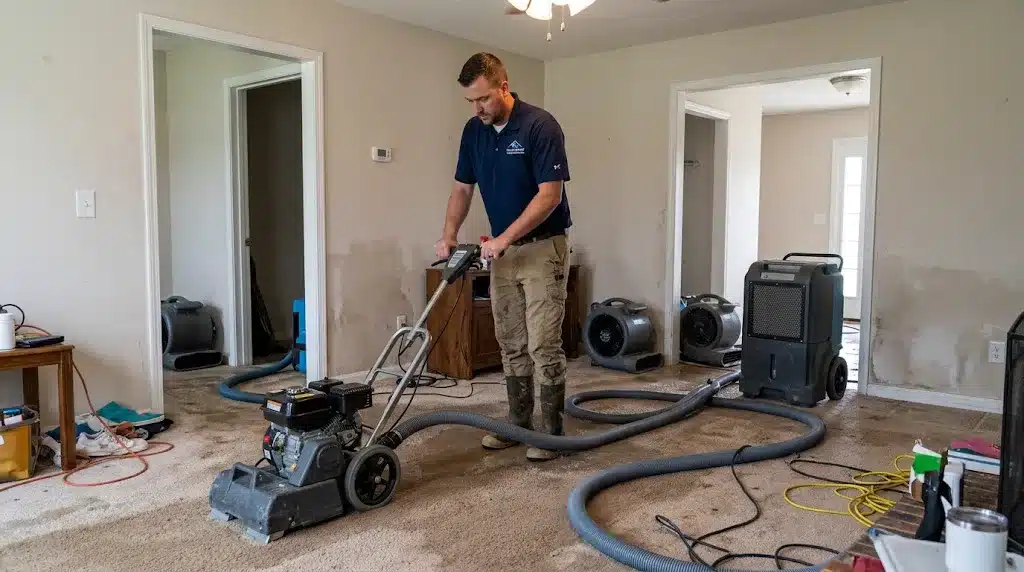
Restoration, according to SERVPRO, is “to perform activities and remedial work to return a site to approximately the same condition as it was before any incident or alteration has taken place.” Restoration begins only after mitigation completes and moisture meters confirm all materials have dried to normal levels. According to Dry Kings, attempting restoration before complete drying traps moisture behind new materials and guarantees future mold problems.
| Aspect | Mitigation | Restoration |
|---|---|---|
| When It Starts | Within 1-4 hours of water damage | After 3-7 days when drying is complete |
| What It Does | Extracts water, dries structures, stops damage | Removes damaged materials, rebuilds, repaints |
| Duration | 3-7 days | 2-6 weeks or longer |
| Cost Range | $250-$2,000 | $2,000-$50,000+ |
| Includes Repairs | No, only emergency response | Yes, complete repairs and rebuilding |
According to Angi, water mitigation costs average $250 to $2,000 depending on square footage affected and water category involved. Category 1 clean water costs less to mitigate than Category 3 black water requiring extensive sanitization. According to Restoration 1, the mitigation process includes rapid assessment to identify water source and contamination category, immediate water extraction using industrial pumps and vacuums, drying and dehumidification with high-powered equipment, moisture monitoring to ensure complete drying, and sanitization if contaminated water was involved.
According to Angi, restoration costs $2,000 to $6,000+ for moderate damage affecting one to two rooms. Extensive flooding requiring whole-house restoration ranges from $10,000 to $50,000+ depending on home size and finish quality. According to AdvantaClean, restoration addresses all visible damage, matches existing finishes and materials, returns rooms to fully functional condition, and ensures repairs meet building codes. When restoration completes properly, homeowners can’t tell water damage ever occurred.
Water Restoration vs Remediation: Repairs vs Contamination Control
Water restoration focuses on repairs and rebuilding, while water remediation focuses on comprehensive contamination cleanup and health hazard removal. Remediation is technically broader than restoration because it emphasizes safety and contamination elimination.
According to AdvantaClean, remediation focuses on removing or neutralizing contaminants that may be present in water, especially important for Category 2 gray water and Category 3 black water situations. Restoration according to Angi includes removing unsalvageable materials like water-damaged drywall below the waterline, repairing structural damage to framing or subflooring, replacing flooring, drywall, baseboards and trim, repainting affected areas, and reinstalling fixtures and finishes.
According to Restoration 1, the remediation process includes identifying all contamination sources, removing contaminated materials that cannot be salvaged, applying antimicrobial treatments to affected surfaces, using specialized equipment like air scrubbers and HEPA filters, testing air quality post-cleanup to verify clearance, and preventing future contamination through waterproofing and drainage improvements.
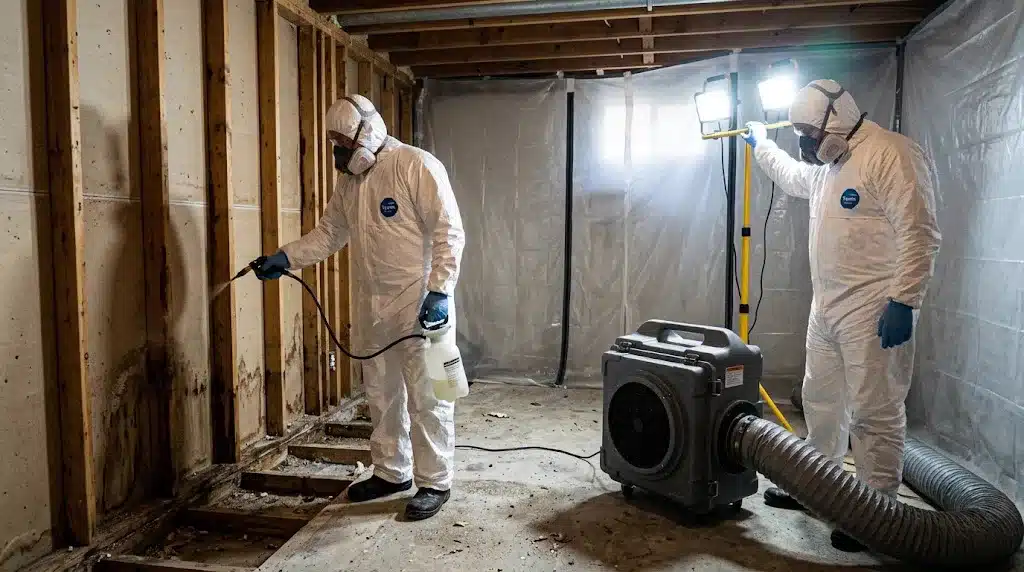
Black water situations always require full remediation due to pathogen exposure risk. According to Power Pro Remediation, sewage contains E. coli, salmonella, hepatitis A, and other dangerous pathogens. Remediation teams wear protective equipment, follow strict contamination control protocols, dispose of affected materials as hazardous waste, and sanitize all surfaces with EPA-registered disinfectants.
According to Florida Fire Flood, remediation costs vary by contamination severity but typically exceed basic restoration expenses by 20% to 50% due to specialized equipment, protective gear, and disposal requirements. Black water remediation for a basement often reaches $5,000 to $15,000 compared to $2,000 to $6,000 for clean water restoration of the same space.
Want more customers from Google & AI search?
Get a free SEO audit of your site — see exactly what to fix first.
Water Mitigation vs Remediation: Speed vs Comprehensiveness
Water mitigation is the emergency first response to stop damage immediately, while water remediation is comprehensive cleanup that may include mitigation and addresses contamination. Mitigation happens within hours; remediation is broader and happens over multiple phases.
According to SERVPRO, mitigation’s official definition is “to lessen or compensate for a previous event,” making it the first defensive action. According to Apex Disaster Specialists, mitigation must begin immediately after water damage occurs ideally within one to four hours. Every hour of delay allows more moisture absorption into materials, increases mold risk, and expands the damage footprint. Professional mitigation companies operate 24/7 specifically because response speed dramatically affects outcomes and costs.
Remediation is the comprehensive approach that addresses all phases of recovery. According to Power Pro Remediation, without quick mitigation, water continues damaging building materials, mold begins growing within 24 to 48 hours, structural deterioration accelerates, and clean water degrades into contaminated gray or black water. Mitigation cuts off these cascading problems before they multiply costs.
According to Angi, water mitigation costs average $250 to $2,000. Remediation for contaminated situations costs significantly more because it requires specialized equipment, protective protocols, antimicrobial treatments, and air quality testing. Mold remediation specifically adds $1,500 to $6,000 to standard restoration costs according to Apex Disaster Specialists.
Mitigation vs Remediation vs Restoration: Complete Timeline
Water damage recovery follows a specific sequence: mitigation happens first and immediately as emergency response, remediation (if needed for contamination) occurs during the mitigation and restoration phases, and restoration happens last after complete drying and contamination clearance. According to Dry Kings, attempting these phases out of sequence creates problems and increases costs.
In this video
Start with the full restoration SEO guide if you are new to the topic.
- 0:00 Intro Jeremy and Bear Restoration
- 0:42 How to Search for a Restoration Company
- 1:04 Using Google Reviews to Vet Companies
- 1:25 Corporate vs Family Restoration Companies
- 2:00 Customer Service Differences to Expect
- 2:38 Owner Involvement at Family Companies
- 3:23 Bear Restoration Website and Phone Number
Mitigation is the emergency stopgap. According to Restoration 1, mitigation includes rapid assessment, immediate water extraction using industrial pumps and vacuums, drying and dehumidification with high-powered equipment, moisture monitoring to ensure complete drying, and sanitization if contaminated water was involved. Mitigation work typically completes within three to seven days for most residential situations.
Remediation addresses contamination at any stage. According to Restoration 1, remediation encompasses identifying all contamination sources, removing contaminated materials that cannot be salvaged, applying antimicrobial treatments to affected surfaces, using specialized equipment like air scrubbers and HEPA filters, testing air quality post-cleanup to verify clearance, and preventing future contamination through waterproofing and drainage improvements.
Restoration is the final phase where repairs happen. According to Angi, the restoration process includes removing unsalvageable materials, repairing structural damage to framing or subflooring, replacing flooring, drywall, baseboards and trim, repainting affected areas, and reinstalling fixtures and finishes. Extensive damage requiring multiple room reconstruction can take two to six weeks.
According to TMB Construction, restoration costs $2,000 to $6,000+ for moderate damage affecting one to two rooms. Extensive flooding requiring whole-house restoration ranges from $10,000 to $50,000+ depending on home size and finish quality.

Remediation vs Restoration: Contamination vs Appearance
Water remediation addresses contamination removal and health hazards, while water restoration addresses visible damage and returning property to pre-damage condition. Remediation is about safety; restoration is about function and appearance.
According to AdvantaClean, remediation focuses on removing or neutralizing contaminants especially in Category 2 gray water and Category 3 black water situations. According to AdvantaClean, restoration addresses all visible damage, matches existing finishes and materials, returns rooms to fully functional condition, and ensures repairs meet building codes.
The key difference is scope. Remediation is a safety-first approach required when water is contaminated. Restoration is a repair approach that assumes water is clean or has been decontaminated. According to Florida Fire Flood, remediation costs vary by contamination severity but typically exceed basic restoration expenses by 20% to 50% due to specialized equipment, protective gear, and disposal requirements.
Mold is a remediation issue. According to Apex Disaster Specialists, when mold grows after water damage, specialized remediation addresses spore removal, contaminated material disposal, source moisture elimination, and prevention of recurrence. When remediation completes, restoration can then proceed safely.
Water Mitigation vs Water Restoration: Action vs Rebuilding
Water mitigation is immediate action taken within hours to stop water damage from spreading, while water restoration is the process of rebuilding and repairing your property after the water is removed and completely dried. They are sequential phases, not alternatives.
According to SERVPRO, mitigation is “to lessen or compensate for a previous event,” making it the first emergency response. Mitigation does not include repairs. According to Florida Fire Flood, walls with water stains remain unrepaired, damaged flooring stays in place, and cosmetic issues are ignored. Mitigation teams extract water, dry structures, and ensure no hidden moisture remains but they don’t make properties look normal again. That’s restoration’s job.
Restoration is where your property returns to normal. According to Dry Kings, restoration begins only after mitigation completes and moisture meters confirm all materials have dried to normal levels. Attempting restoration before complete drying traps moisture behind new materials and guarantees future mold problems. Most restoration starts three to seven days after initial water damage depending on drying times.
The goal of mitigation according to Power Pro Remediation is preventing secondary damage. Without quick mitigation, water continues damaging building materials, mold begins growing within 24 to 48 hours, structural deterioration accelerates, and clean water degrades into contaminated gray or black water. Mitigation cuts off these cascading problems before they multiply costs.
In this video
- 0:00 Fridge Water Line Leak First Steps
- 1:52 24-Hour Response Protocol
- 2:42 Mold Timeline and Claim Classification
- 3:49 Hidden Wall Leak Warning Signs
- 4:32 Real Cost Numbers for Delayed Response
- 5:06 Supply Line Materials and Replacement
- 6:26 Water Leak Detectors Worth Installing
- 7:12 What Professional Restoration Involves
- 8:00 Quarterly Inspection Routine
- 8:39 Replacement Schedule and Triggers
Full transcript: Fridge Water Line Leaking? Do These 5 Things Before You Call Insurance
How Much Does Water Restoration Cost
Water restoration costs $2,000 to $6,000+ for moderate damage affecting one to two rooms, and ranges from $10,000 to $50,000+ for extensive flooding requiring whole-house restoration depending on home size and finish quality. According to Angi, water mitigation costs average $600 while full restoration averages $4,000.
According to Angi, the restoration process includes removing unsalvageable materials like water-damaged drywall below the waterline, repairing structural damage to framing or subflooring, replacing flooring, drywall, baseboards and trim, repainting affected areas, and reinstalling fixtures and finishes. Extensive damage requiring multiple room reconstruction can take two to six weeks.
Restoration costs more than mitigation because it includes materials, skilled trades, and time-intensive finish work. According to TMB Construction, homeowners who delay water extraction thinking they’ll just replace damaged materials anyway allow mold to establish, structural damage to worsen, and clean water to degrade into contaminated categories. One homeowner’s decision to “deal with it later” turned a $1,500 mitigation job into an $8,000 remediation and restoration project.
The restoration phase offers opportunities mitigation doesn’t. According to Angi, homeowners can upgrade flooring or finishes during restoration, reconfigure spaces if walls are already demolished, and improve moisture protection with better materials. Some view restoration as a chance to improve the space rather than simply returning it to previous condition.
Water restoration costs vary based on several factors. According to Angi, water mitigation costs $250 to $2,000 depending on square footage affected and water category involved. Mold remediation adds $1,500 to $6,000 to standard restoration costs according to Apex Disaster Specialists.
Why Sequence Matters: Prevention vs Expense
The sequence of mitigation, remediation, and restoration matters because doing them out of order traps moisture, spreads contamination, and multiplies costs exponentially. Skip mitigation and you’re paying for bigger problems down the road.
Skipping mitigation to jump straight to restoration is the most common and expensive mistake. According to TMB Construction, homeowners who delay water extraction thinking they’ll just replace damaged materials anyway allow mold to establish, structural damage to worsen, and clean water to degrade into contaminated categories. One homeowner’s decision to “deal with it later” turned a $1,500 mitigation job into an $8,000 remediation and restoration project.
Starting restoration before drying completes traps moisture and guarantees mold. According to SERVPRO, contractors who install new drywall over studs still reading 22% moisture content on moisture meters guarantee mold growth within weeks. That means you’re paying for restoration work that will fail and require complete remediation.
According to Apex Disaster Specialists, mitigation must begin immediately after water damage occurs ideally within one to four hours. Every hour of delay allows more moisture absorption into materials, increases mold risk, and expands the damage footprint. Professional mitigation companies operate 24/7 specifically because response speed dramatically affects outcomes and costs.
According to Dry Kings, attempting these phases out of sequence creates problems and increases costs. The right sequence protects you from hidden damage, prevents mold growth, and keeps final costs predictable. The wrong sequence hides problems until they’re catastrophic.
Quick Recap: Key Takeaways
- Water mitigation is emergency response within hours ($250-$2,000). It extracts water, dries your structure, and stops damage but makes no repairs.
- Water restoration is rebuilding after drying completes ($2,000-$6,000+). It removes damaged materials, replaces them, and returns your property to normal appearance.
- Water remediation is contamination removal for gray or black water ($5,000-$15,000+). It handles pathogens, mold, and health hazards with specialized equipment.
- Sequence matters. Mitigation first, remediation if needed during both phases, restoration last. Skipping steps multiplies costs.
- Speed saves money. Professional mitigation within 1-4 hours prevents mold, structural damage, and water degradation.
- Drying must complete before restoration starts. Moisture trapped behind new materials guarantees mold growth and failed repairs.
- One day of delay can turn a $1,500 mitigation job into an $8,000+ project with remediation and restoration.
Frequently Asked Questions
What’s the difference between remediation and mitigation?
Mitigation is the immediate emergency response to stop water damage, typically within hours, focusing on extraction and drying ($250-$2,000). Remediation is comprehensive contamination cleanup addressing health hazards, specialized for Category 2 gray water and Category 3 black water situations ($5,000-$15,000+). Mitigation happens first; remediation is broader and may include or follow mitigation.
Does water mitigation include mold removal?
Water mitigation does not include mold removal. According to Apex Disaster Specialists, when mold grows after water damage, specialized remediation addresses spore removal, contaminated material disposal, source moisture elimination, and prevention of recurrence. Mold remediation is a separate phase that adds $1,500 to $6,000 to standard restoration costs. Mitigation’s role is preventing mold by removing moisture quickly.
Can you do restoration without mitigation?
No, skipping mitigation to jump to restoration is expensive and dangerous. According to TMB Construction, homeowners who delay water extraction allow mold to establish, structural damage to worsen, and clean water to degrade into contaminated categories. One homeowner’s decision to skip mitigation turned a $1,500 mitigation job into an $8,000 remediation and restoration project. According to SERVPRO, contractors who install new materials over damp studs guarantee mold growth within weeks.
How long does water mitigation take?
Water mitigation typically takes 3-7 days for most residential situations according to Restoration 1. However, mitigation must begin immediately within 1-4 hours of discovering water damage. According to Apex Disaster Specialists, every hour of delay allows more moisture absorption into materials, increases mold risk, and expands the damage footprint. Professional mitigation companies operate 24/7 because response speed dramatically affects outcomes and costs.
What is Category 1, Category 2, and Category 3 water?
Water is categorized by contamination level. Category 1 is clean water from burst pipes and overflowing tubs, costing less to mitigate. Category 2 is gray water from washing machines and toilets, requiring more sanitization. Category 3 is black water from sewage, containing E. coli, salmonella, and hepatitis A requiring full remediation with protective equipment, hazardous waste disposal, and EPA-registered disinfectants according to Power Pro Remediation. Contamination level directly affects cost and timeline.

How much does water mitigation cost?
Water mitigation costs $250 to $2,000 depending on square footage affected and water category involved according to Angi. Category 1 clean water costs less than Category 3 black water requiring extensive sanitization. Equipment rental alone costs $50 to $150 daily if homeowners attempt DIY mitigation. Professional mitigation averages $600 according to Angi, significantly less than the $4,000 average for full restoration.
Can I DIY water restoration?
Water restoration is not recommended as a DIY project. According to Angi, restoration includes removing unsalvageable materials, repairing structural damage, replacing flooring, drywall and trim, repainting, and reinstalling fixtures. This requires skilled trades, building code compliance, and proper material selection. You can review DIY water damage cleanup options for limited mitigation, but professional restoration ensures work meets standards and warranty expectations.
Why does water degrade from Category 1 to Category 2?
Without rapid mitigation, Category 1 clean water degrades as it sits. According to Power Pro Remediation, water continues damaging building materials, mold begins growing within 24 to 48 hours, structural deterioration accelerates, and clean water degrades into contaminated gray or black water. One Florida homeowner who waited two days to call professionals discovered his burst pipe water had degraded from Category 1 clean to Category 2 gray, with mold beginning to grow, turning what should have been $1,200 in mitigation costs into $6,800 in remediation and restoration.
Ready to protect your property from water damage costs? Don’t let delays turn a manageable mitigation project into an expensive remediation disaster. Contact us today.
Keep Reading
Want more customers from Google & AI search?
Get a free SEO audit of your site — see exactly what to fix first.
Your path · Restoration SEO
Keep going: read these next
 You’re hereWater Mitigation vs Restoration vs Remediation
- Reputation Management for Restoration Companies: Building and Protecting Your Online Presence


Want this done for you?
Scan your site. See the gaps. Decide with numbers.
- Rankings, Google Business Profile and site-speed teardown
- Report lands in your inbox in about a minute
- No obligation · 4.9 from 67 Google reviews

