
Full transcript
0:00 From 0:00
Hey, Dustin and Wade just going to make you a quick little video and show you the results I’m getting for you guys after about three or four months of work So when to show you so here’s what we have going on here. We started with zero percent visibility So just remember visibility is how high are we in Google? And as we get this to go up we have more at the top of Google And so we started with one percent visibility not showing up at all and now we’re up to about eight percent visibility Going here after about I guess we’re looking at maybe four or five months worth of work here So essentially we have best race best restoration company near me water damage remediation disaster disaster restoration fire restoration flood damage restoration flood media remediation remediation company disaster restoration restoration companies near me Contractors water remediation. We have all of these terms basically on the middle of Google’s first page some of the bottom of Google’s first page and My opportunity and essentially in in plain English We essentially have Looking here we have 50 terms that are on Google’s first page And what I’m asking for is 90 more days to push as many of these at the top We actually are ending up ending up the one or two terms that are at the top occasionally, but they’re not staying up there That’s
1:30 From 1:30
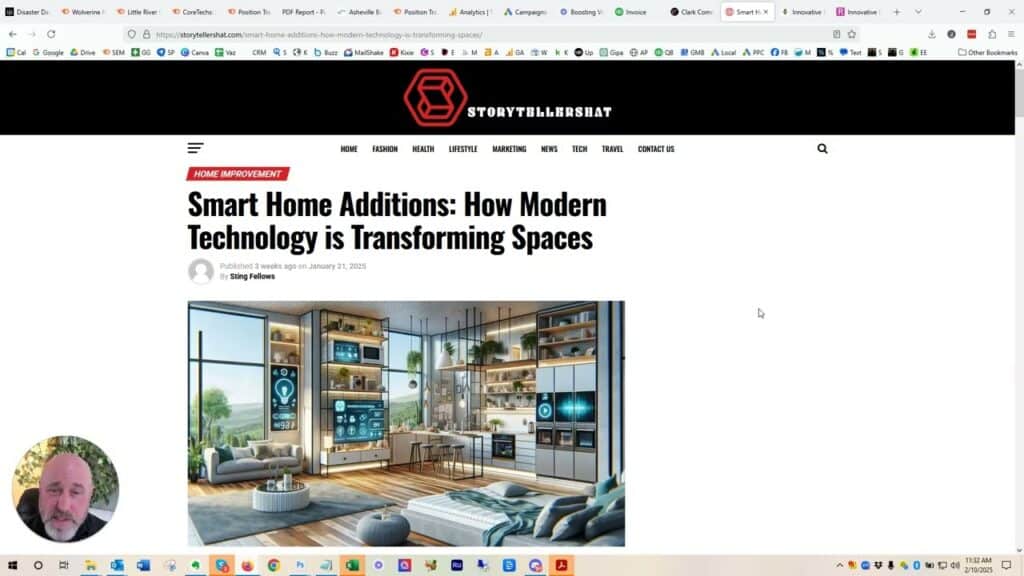
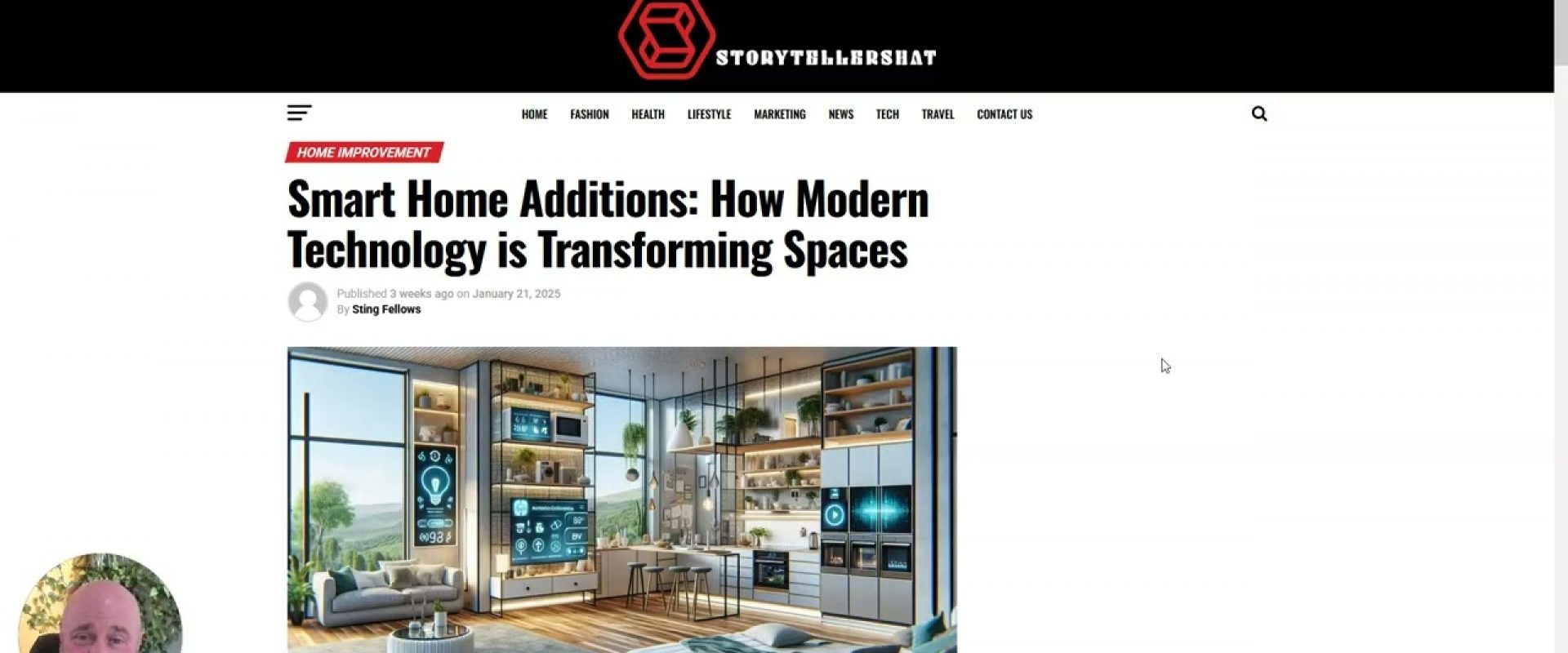
because it’s high competition. So these are terms like as of yesterday. One of these terms here You know water damage meat remediation this hit position three yesterday so what my what my ask is is my ask is for 90 days for me to switch to a new team that’s getting better results and And it’s really high quality work. They’re doing and with these results. I’m going to show you the results I’m getting with this new team essentially what they’re doing with what’s called guest blogs these are high quality connections from other websites and They’re not a restoration company, but they’re they’re in a similar industry their home edition remodelers And just showing you the work the results. I’m getting for them looking over a 60 day period Essentially in the last 60 days or last really 30 days We’ve gone from 7% to 14% visibility, which doesn’t really seem like much unless you know what I’m talking You’re talking I’m talking about here, but 7% to 14%. So in plain English For them with this new team. We did 10 high quality blogs We essentially went from around six of the top of Google to 54 terms at the top of Google and essentially these are just really high quality connections from other websites and This is what I’m talking about here. It’s essentially just a blog on a website You know, we’ve seen these blogs everywhere smart home editions and on this blog here home edition
3:03 From 3:03
Contractors near me is where the link is when you click on this this goes to the the company’s website and And that’s what this is. This is the website. I built for these guys. This is a little river development and Essentially these are home edition builders and so this website is all about home edition builders But because this link is a high quality link Google paid extra attention to this and we went from essentially this 4 54 at the top of Google so we did 10 of these links and I’m just gonna get technical for one second here but If I look up this link in with this tool that tells me how strong the link is this link is a 30 Overall quality so the higher this number is the stronger the link is if you’re to go anywhere randomly on the internet and make a blog That link would be a zero and it would take like years to get to a 30 this one. Here’s another one It’s a 48. So what I’m suggesting I do for you guys is I do 10 of these a month for the next 90 days Let’s see if we can get our visibility up to 8 and 10 percent and higher and essentially total restoration Has 19% visibility Sir Pro is neck -to -neck with you guys for about 8% But we can essentially get up to 10 12 and 19% and get more of the it’s at the top of Google and keep them there So
4:35 From 4:35
give me another another 90 days is my ask alright. Let me know
Key Takeaways
Want it done for you? See our restoration SEO and marketing agency.
After four to five months of SEO work, Wolverine Restoration grew from near-zero search visibility to 8% visibility, with 50 terms landing on Google’s first page. The next phase focuses on high-quality guest blog links to push those rankings to the top of page one and hold them there, targeting 10 to 19% visibility over the following 90 days.
- Wolverine Restoration started at roughly 1% search visibility and reached 8% in four to five months.
- 50 target keywords are now on Google’s first page, with a few touching positions 1 through 3.
- A comparable client went from 6 terms at the top of Google to 54 in about 30 days using 10 high-quality guest blog links.
- Guest blog links used in this strategy carry domain authority scores of 30 to 48, far above the score of zero you get from a random internet post.
- Competitors like Total Restoration sit at 19% visibility, giving Wolverine a clear target to chase.
- The 90-day plan calls for 10 high-quality links per month to push visibility from 8% toward 10 to 19%.
- Rankings at position 1 or 2 are appearing but not sticking yet because of competition, which is exactly what the link-building phase is designed to fix.
Where Wolverine Restoration Stands After Five Months of SEO
Wolverine Restoration grew from roughly 1% search visibility to 8% visibility in four to five months, with 50 keywords now sitting on Google’s first page across terms like water damage remediation, flood damage restoration, fire restoration, disaster restoration, and restoration companies near me. That kind of growth from a standing start is real traction, even if it does not feel dramatic from the outside.
When I talk about visibility with clients, I frame it simply: visibility measures how high your business appears in Google across all the search terms we are tracking. A score of 1% means you are essentially invisible. A score of 8% means you are in the middle and lower sections of Google’s first page for a solid list of relevant searches. What we need to do now is push those rankings upward so that more of those 50 terms land in the top three to five positions, where the clicks actually happen.
The encouraging sign is that a couple of terms have already touched positions 1 through 3. Water damage remediation hit position 3 as recently as the day I recorded this update. The problem is that those top positions are not sticking yet. In competitive local markets, you need more than solid on-page content to hold the top spots. You need other credible websites pointing back to yours, which is where the next phase of the strategy comes in. The foundation is solid. The job now is to build authority on top of it.
Want more customers from Google & AI search?
Get a free SEO audit of your site — see exactly what to fix first.
How Search Visibility Is Measured and Why 8% Is a Real Win
Search visibility is a percentage score that reflects how often your website appears at or near the top of Google across a defined set of target keywords. A score of 0% means none of your tracked keywords are ranking. A score of 100% would mean you appear at position 1 for every keyword you are tracking, which is unrealistic in a competitive market. For a local contractor starting from scratch, moving from 1% to 8% in under five months shows the strategy is working.
What does 1% visibility actually mean for a restoration company?
At 1% visibility, your website is essentially absent from search results for the terms your customers use when they need help. When someone searches “water damage remediation near me” or “flood damage restoration” in your area, you are not in the picture. That means every click goes to a competitor. Starting at 1% is not unusual for a site that has not had active SEO work done, but it does mean there is a lot of ground to make up.
Is 8% visibility in five months considered good progress for local SEO?
For a restoration company in a competitive market with no prior SEO history, 8% visibility in four to five months is solid, meaningful progress. You are now on Google’s first page for 50 relevant keywords. That does not guarantee a flood of leads yet, because many of those rankings are in positions 4 through 10 where click rates drop off significantly. But the rankings are real, the page-one presence is real, and the foundation is in place to push higher.
How do competitors’ visibility scores compare to Wolverine’s current position?
Total Restoration is sitting at 19% visibility, which represents the high-water mark in this market. Sir Pro is running neck and neck with Wolverine at around 8% visibility. That tells me two things: Wolverine is already competitive with at least one major player, and there is a clear ceiling to aim for. Getting from 8% to 10 or 12% is achievable in the next 90 days with the right link-building approach. Getting to 19% is a longer play but absolutely realistic.
Why First-Page Rankings Do Not Always Mean Top-of-Page Rankings
Being on page one of Google and being in the top three positions on page one are two very different things when it comes to click-through rates and actual leads. Studies consistently show that the top three organic positions capture the majority of clicks for any given search. Positions 4 through 10 still matter and still send some traffic, but the difference in lead volume between position 2 and position 7 is significant.
Why are Wolverine’s rankings appearing at positions 1 to 3 but not staying there?
Google tests rankings constantly, especially for competitive keywords. When a page earns a burst of relevance signals, Google will temporarily push it higher to see how users respond. If the site does not have enough overall authority to hold that position against established competitors, it will settle back down. Water damage remediation hitting position 3 is a signal that the content is doing its job. Holding position 3 consistently requires stronger backlink authority than Wolverine currently has, which is exactly what the next 90 days will address.
What is the difference between ranking on page one and actually getting leads from it?
A page-one ranking in positions 7 through 10 might send a trickle of traffic, but most searchers click the first few results they see, especially when they have an urgent need like water damage or fire restoration. The goal is not just to appear on page one. The goal is to appear high enough on page one that a homeowner dealing with a flooded basement picks up the phone and calls you rather than the competitor listed above you.
How long does it take to stabilize rankings in a competitive local market?
In most competitive local markets, ranking stability at positions 1 through 3 takes six to twelve months of consistent work depending on how established your competitors are. The early months are about getting onto page one at all. The middle phase, which is where Wolverine is now, is about earning enough authority to push into the top three and stay there. Consistent link building from credible sources is the main lever for making that happen faster.
What Guest Blog Links Are and Why They Move Rankings
A guest blog link is a piece of content published on an established third-party website that includes a link back to your site. Google treats links from credible websites as votes of confidence. The more high-quality links pointing to your site, the more Google trusts your site’s authority, and the higher it is willing to rank you for competitive searches.
How is a guest blog link different from a random backlink I could get anywhere?
The quality of the website hosting the link is what matters. A link placed on a random blog with no traffic and no authority scores close to zero on domain rating tools. The links I am using in this strategy come from established sites with domain ratings of 30 to 48. To put that in perspective, a brand-new website starts at zero, and it can take years of organic growth to reach a score of 30. Getting a link from a site at that level gives Wolverine a meaningful authority boost that Google notices.
Do the linking websites have to be in the restoration industry?
They do not have to be in the exact same industry, but they need to be in a related or adjacent space for the link to carry full weight. The guest blog links I am using come from home improvement and remodeling sites. When a home addition contractor’s website publishes a piece about choosing contractors and links to a restoration company, Google sees that as a logical, relevant connection. These are not restoration companies, but they serve a similar homeowner audience, which is close enough to be meaningful.
Can I see what one of these guest blog links actually looks like?
A real example from a comparable client is a blog post on a home addition contractor’s website covering topics relevant to homeowners. Inside that post, a phrase like “home addition contractors near me” links directly to the client’s website. The hosting site is a legitimate business with real content, real traffic, and a domain rating of 30 or higher. When Google crawls that link and follows it to the client’s site, it registers as a credible endorsement. That is what pushes rankings up and holds them.
The Comparable Client Results That Proved the New Approach
The strongest evidence for what this link-building approach can do comes from a comparable client I switched to this new team roughly 60 days before I recorded this update. In that 30-day window, that client went from 7% to 14% visibility and from 6 keywords at the top of Google to 54 keywords at the top. Those numbers came from 10 high-quality guest blog links published in that period.
Is doubling visibility in 30 days a realistic expectation for every client?

The 7% to 14% jump happened because that client had a similar profile to Wolverine: solid on-page work done, rankings building on page one, but not enough authority to push to the top. The guest blog links acted as an accelerant on a fire that was already burning. Wolverine is in a comparable position right now. I cannot guarantee the exact same numbers, but the conditions that produced those results are present here too.
What were the domain rating scores of the links that produced those results?
The two examples I looked at closely had domain ratings of 30 and 48. A rating of 30 is already well above what most casual link-building efforts produce. A rating of 48 is a genuinely strong link by any measure. Ten links in that quality range in a single month represent a significant authority injection for a local business website. That is what moved the comparable client from 6 top-of-Google terms to 54 in one month.
What specific keywords moved to the top of Google for the comparable client?
The comparable client in that example is a home addition builder, not a restoration company, so the keywords are different. But the mechanics are identical. The client went from appearing at the top of Google for 6 searches to appearing at the top for 54 searches after 10 high-quality guest blogs went live. For Wolverine, the target keywords are water damage remediation, disaster restoration, flood damage restoration, fire restoration, and related terms. The same process applies.
The 90-Day Plan: 10 Links Per Month and What to Expect
The specific ask for the next phase is 10 high-quality guest blog links per month for 90 days, which is 30 total links over the period. The target is to move Wolverine’s visibility from 8% to somewhere between 10 and 19%, with more first-page keywords holding positions 1 through 5. This is not a guarantee of a specific number, but based on what I am seeing with comparable clients, it is a realistic range.
Why 10 links per month instead of more or fewer?
Ten per month is the number that balances quality and velocity. Flooding Google with low-quality links can actually hurt rankings, which is why the quality threshold matters. Ten links at a domain rating of 30 or above per month is a pace that Google tends to respond to positively. It looks like natural growth rather than manipulation, and the authority compounds month over month as each new link adds to the profile built by the ones before it.
What visibility targets are realistic after 90 days of this approach?
Based on the comparable client results and where Wolverine sits now, I would target 10 to 12% visibility at the conservative end and 15 to 19% at the optimistic end over 90 days. The 19% figure is where Total Restoration is sitting right now, so hitting that level would put Wolverine at the top of the local market. Even 12% would represent a significant jump in top-of-page appearances and should translate into more calls and quote requests.
How will I know if the links are actually working during the 90 days?
Visibility scores and ranking positions are trackable in real time with the same tools I use to pull the numbers shown here. I will provide regular updates as the links go live and as rankings respond. You can expect to see movement within two to four weeks of each batch of links being published, though some keywords will move faster than others depending on how much competition exists at the top of the results for that specific term.
Understanding Domain Rating and Why Link Quality Beats Link Quantity
Domain rating is a score from 0 to 100 that measures how authoritative a website is based on the number and quality of other sites linking to it. A link from a site with a domain rating of 48 is worth far more to your SEO than 100 links from sites with ratings near zero. For local contractor SEO, chasing volume without quality is one of the most common ways businesses waste money and time.
What domain rating score should I look for in a guest blog link?
Any link from a site with a domain rating of 20 or above is meaningfully useful. Links from sites with ratings of 30 to 50 are strong and will produce noticeable ranking movement for most local contractors. Links above 50 are harder to obtain at scale and typically cost more, but they carry significant weight. The links in this strategy cluster in the 30 to 48 range, which is a solid tier for local SEO work.
How does a website naturally reach a domain rating of 30 or higher?
A website reaches a domain rating of 30 by accumulating links from other credible websites over time, typically through years of publishing useful content, earning press mentions, being cited by industry sources, and building genuine relationships online. A brand-new website starts at zero. Getting a link from a site that has already done that work is essentially borrowing some of that accumulated trust and pointing it at your own site.
Can low-quality links hurt my restoration company’s Google rankings?
Yes, a profile full of low-quality or spammy links can trigger a Google penalty or simply dilute the value of any good links you have. This is why I am selective about where the guest blog links are placed. Every site in this program needs to meet a quality threshold before I use it. A link from a site at zero domain rating does not just fail to help. It can contribute to a pattern that Google flags as manipulative if there are enough of them.
How This Strategy Fits Into the Broader SEO Picture
Link building is one part of a broader SEO strategy that includes technical site health, local citation consistency, Google Business Profile optimization, and on-page content. Wolverine’s first four to five months were focused heavily on that foundation work, which is why there are now 50 page-one keywords to build on. The link-building phase works because that foundation is in place.
Does Wolverine’s Google Business Profile factor into these rankings?
The Google Business Profile affects the Map Pack results, which are the three local listings that appear at the top of Google with a map when someone searches a local service. Organic rankings and Map Pack rankings are related but separate signals. A strong backlink profile improves organic rankings and can also reinforce Map Pack visibility, since Google cross-references a business’s overall authority when deciding which local listings to show.
Is on-page content still important once link building starts?
On-page content continues to matter throughout the entire SEO process. Links from other sites boost authority, but Google still needs to understand what your pages are about in order to rank them for the right searches. If the content on a page targeting “water damage remediation” is thin or poorly structured, even strong links will struggle to push it to position 1. The content Wolverine’s site already has gives the links something solid to amplify.
What happens to the rankings if link building stops after 90 days?
Rankings earned through genuine content and quality links tend to hold reasonably well for months after active link building stops. They do not disappear overnight. However, competitors are also building links and improving their sites continuously, so stopping entirely eventually leads to losing ground. The goal of the 90-day sprint is to build enough of an authority cushion that the rankings hold even during quieter periods, not to depend on constant link acquisition forever.
Frequently Asked Questions
How long does local SEO take to produce results for a restoration company?
Most restoration companies starting from near-zero visibility will see meaningful page-one rankings within four to six months of consistent SEO work. Wolverine hit 8% visibility and 50 page-one keywords in about four to five months, which is a typical timeline. Reaching the top three positions and holding them consistently usually takes an additional three to six months of authority building through high-quality links, depending on how competitive the local market is.
Start with the full restoration SEO guide if you are new to the topic.
What is visibility score and how is it calculated?
Visibility score is a percentage that reflects how prominently your website appears across a defined set of tracked keywords in Google. A score of 0% means none of your keywords are ranking. A score of 100% would mean every tracked keyword is at position 1, which is theoretical. The score weights higher positions more heavily than lower ones, so moving from position 7 to position 2 on the same keyword will raise your visibility score more than simply adding new low-ranking keywords.
What kinds of keywords matter most for a disaster restoration company?
The highest-value keywords for a disaster restoration company are the ones people search immediately after an emergency: water damage remediation, flood damage restoration, fire restoration, disaster restoration, and variations with “near me” attached. These searches happen when someone has an urgent, immediate need and is ready to call a contractor. Ranking well for those specific terms produces direct leads. Broader informational searches about restoration can build awareness but rarely convert as quickly.
How many guest blog links does it take to move from page one middle to page one top?
Based on comparable client results, 10 high-quality guest blog links with domain ratings of 30 or above in a single month produced a jump from 6 top-of-Google terms to 54 for a similar local contractor. Results vary by market and by how competitive the specific keywords are. For Wolverine, 30 links over 90 days is the target. Some keywords will respond faster, particularly the ones already hovering near positions 3 through 5.

Will my rankings drop if I stop doing SEO after the 90-day link building phase?
Rankings earned through quality links and solid content tend to hold for months without active maintenance. They do not vanish immediately. However, local search is competitive and your competitors continue working on their own rankings regardless of what you do. Stopping SEO entirely will lead to gradual erosion of your position over time. The 90-day sprint is designed to build a large enough authority advantage that rankings hold through slower periods rather than disappear the moment activity stops.
How does Google decide which restoration company to rank first?
Google ranks restoration companies based on a combination of on-page relevance, meaning how well your content matches the search, and off-page authority, meaning how many credible websites link to yours. Local signals like your Google Business Profile, consistent name and address information across directories, and proximity to the searcher also factor in. At the local level, the businesses that rank first are usually the ones with the strongest combination of relevant content and authoritative backlinks pointing to their site.
What is a realistic visibility percentage target for a local restoration company?
In most local markets, a visibility score of 15 to 20% puts a restoration company at or near the top of the competitive landscape. Wolverine is currently at 8%, and Total Restoration, the highest competitor in this market, sits at 19%. A realistic 90-day target for Wolverine is 10 to 15% with sustained effort. Reaching 19% or above is a longer-term goal that becomes achievable once the link-building phase produces compounding authority gains.
Are the websites that host guest blog links real businesses or just link farms?
The sites used in this strategy are real businesses with actual content, real traffic, and established domain authority scores between 30 and 48. The example shown is a legitimate home addition and remodeling contractor website. These are not link farms or private blog networks, which Google actively works to penalize. The quality threshold I apply before using any site is specifically designed to avoid those kinds of sites and ensure the links carry genuine authority value.
The Next 90 Days Will Separate Wolverine From the Competition
Wolverine Restoration has done the hard part. The site has a real SEO foundation, 50 page-one keywords, and proof that individual terms can touch the top three positions. The gap between where things stand now and where Total Restoration sits at 19% visibility is not a mystery. It is a link authority gap, and it is closeable.
The plan is 10 high-quality guest blog links per month from established websites with domain ratings of 30 or above, repeated for 90 days. The comparable client that went through this process moved from 7% to 14% visibility and from 6 top-of-Google terms to 54 in roughly 30 days. The goal for Wolverine is to replicate and build on that result, pushing visibility to 10, 12, even 15 percent, with more first-page keywords holding position 1 through 5 and actually staying there.
If you run a home service or restoration business and want to understand what it would take to move your own rankings in the same direction, reach out to us at PushLeads. You can get a free SEO audit at https://pushleads.com/contact/ and we will show you exactly where your visibility stands and what it would take to improve it.
Keep Reading
Want more customers from Google & AI search?
Get a free SEO audit of your site — see exactly what to fix first.
Your path · Restoration SEO
Keep going: read these next

- Restoration Cost Guides: What Every Job Really Costs in 2026



Want this done for you?
Scan your site. See the gaps. Decide with numbers.
- Rankings, Google Business Profile and site-speed teardown
- Report lands in your inbox in about a minute
- No obligation · 4.9 from 67 Google reviews