
Key Takeaways
Want it done for you? See our restoration SEO and marketing agency.
Commercial property restoration covers water, fire, mold, and storm damage repairs for business facilities. Recovery timelines run 2 to 12 weeks depending on damage severity, and costs range from $10,000 to $500,000 or more. Acting within the first 24 to 48 hours limits secondary damage and keeps insurance claims cleaner.
- Water damage restoration must begin within 24 hours to stop mold growth, per EPA guidance.
- Commercial claims average significantly higher than residential ones due to square footage and business interruption costs.
- Documentation with photos and written logs is required before any cleanup begins for valid insurance reimbursement.
- Hiring an IICRC-certified restoration contractor reduces dispute risk with your insurer.
- Getting your property listed and visible online after restoration is just as important as the physical repairs.
What Commercial Property Restoration Actually Covers
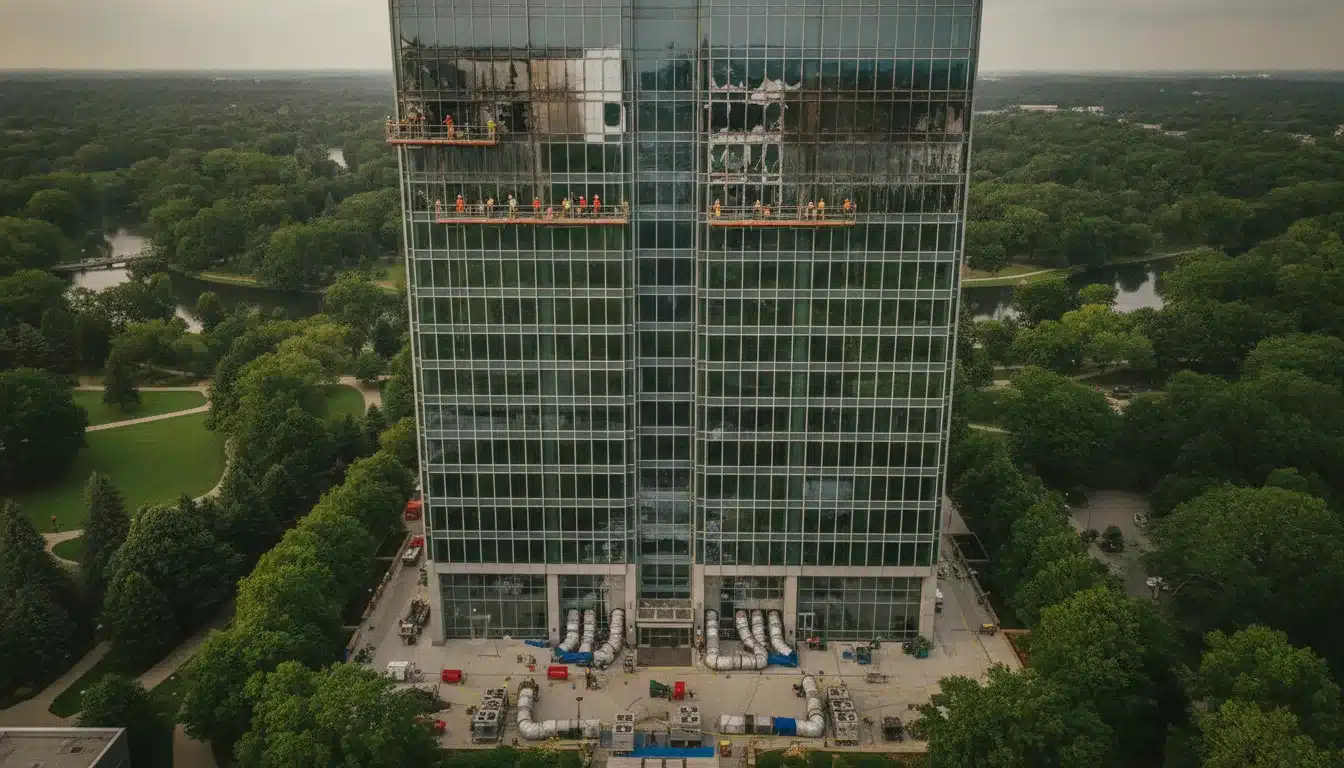
Commercial property restoration is the process of returning a business-owned building to its pre-loss condition after damage from water, fire, smoke, mold, or storms. It’s not the same as a renovation. Restoration focuses on removing hazards, stabilizing the structure, and rebuilding what the damage took. A flooded office building, a fire-damaged warehouse, or a retail space hit by a burst pipe all fall under this category.
The scope of work depends on what happened and how fast you responded. According to EPA mold guidance, mold growth begins within 24 to 48 hours of water exposure, which means a slow response on a water loss can turn a $30,000 job into a $150,000 remediation project. Speed matters. The first 48 hours after any commercial property loss set the trajectory for your recovery timeline and your total bill.
In this video
- 0:00 Why Commercial Restoration Revenue Dwarfs Residential
- 1:36 Know Your Buyers Property Managers to Adjusters
- 2:07 12-Month Commercial Acquisition Calendar
- 3:24 Decisions Happen Before Disasters
- 4:30 Three Revenue Numbers That Make the Case
- 5:09 Three Pillars Every Commercial Plan Needs
- 5:58 Targeting by Facility Type and Timing
- 6:59 LinkedIn Sequencing and Cold Outreach
- 7:43 PPC and Retargeting for Commercial Accounts
- 8:41 The Real Cost of Missing a Window
- 9:50 Owned Assets That Compound Over Time
- 10:33 Six to Eight Touches Close Commercial Deals
For complete coverage, see our Commercial Restoration Companies: What to Know Before You Hire resource on how restoration companies operate across different damage types.
Restoration work typically breaks into three phases: emergency stabilization, remediation, and reconstruction. Emergency stabilization might mean water extraction, board-up services, or temporary power. Remediation removes the hazard, whether that’s contaminated water, fire residue, or mold colonies. Reconstruction puts the structure back together. Each phase has its own contractors, timelines, and cost variables, and the whole process can run 2 to 12 weeks for most mid-sized commercial losses.
What types of damage qualify as commercial restoration?
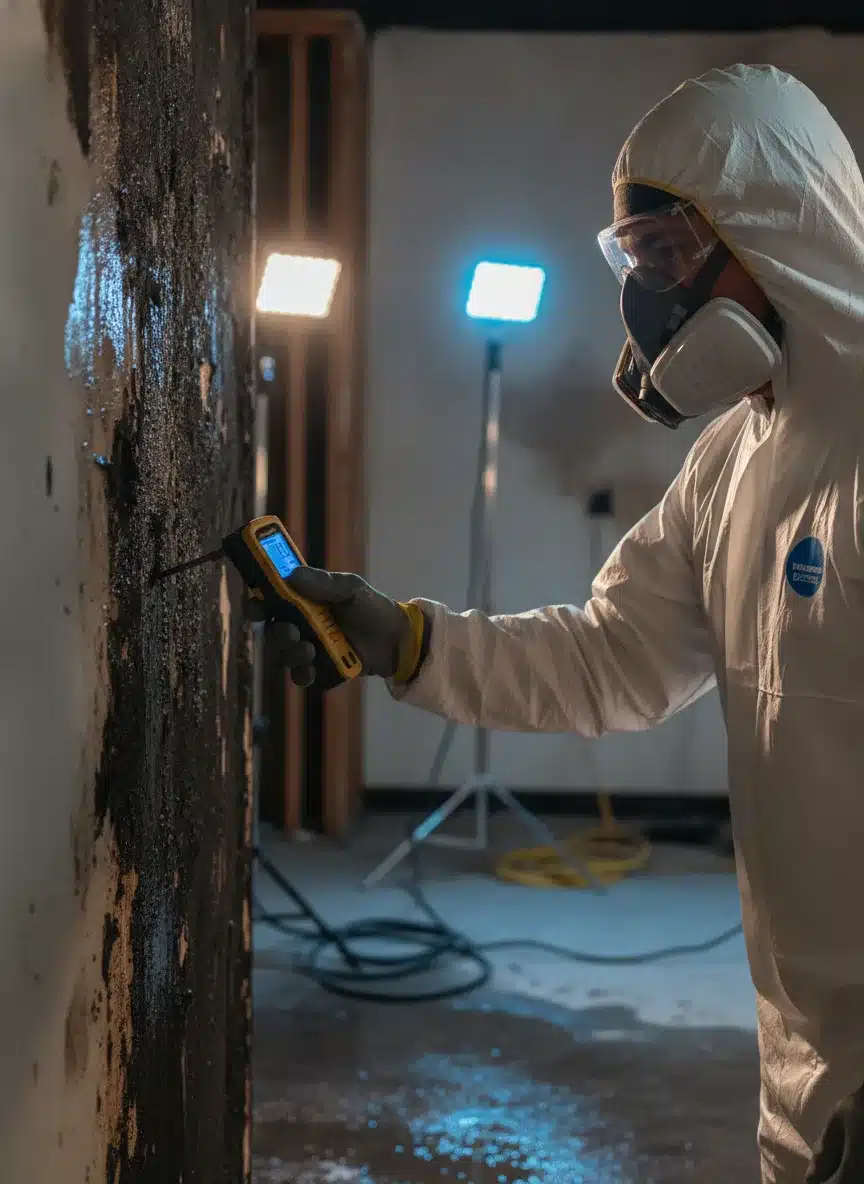
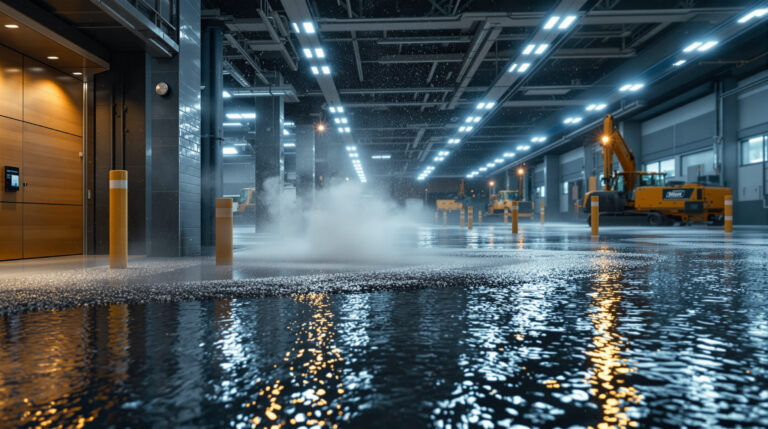
Water damage from pipe bursts, roof leaks, or flooding is the most common trigger for commercial restoration. Fire and smoke damage is second. Mold remediation, storm damage, and sewage backups round out the list. Each type carries its own health and safety protocols. Sewage water, classified as Category 3 or “black water” under IICRC standards, requires full personal protective equipment and cannot be treated the same as a clean water loss.
Does restoration include rebuilding or just cleanup?
Full-service restoration companies handle both. The remediation side clears the hazard. The reconstruction side rebuilds walls, flooring, ceilings, and systems like HVAC or electrical that took damage. Some firms subcontract the rebuild phase. When you’re vetting contractors, ask whether they handle both in-house or hand off after remediation. Handoffs add time and sometimes accountability gaps.
Want more customers from Google & AI search?
Get a free SEO audit of your site — see exactly what to fix first.
How Much Does Commercial Property Restoration Cost
Cost ranges in commercial restoration are wide because the variables are wide. A small office with localized water damage might run $10,000 to $40,000. A large warehouse fire with structural damage and smoke infiltration can exceed $500,000. According to the Insurance Information Institute, the average commercial property claim is significantly higher than residential claims due to square footage, specialized equipment, and business interruption costs that pile up during downtime.
Water damage restoration pricing typically runs $7 to $12 per square foot for extraction and drying. Mold remediation adds $15 to $30 per square foot in affected areas. Fire damage, which combines smoke cleanup, structural repair, and odor treatment, often lands at $25 to $50 per square foot depending on severity. These are rough ranges. Your actual number depends on your building’s size, construction type, how long the damage sat before discovery, and your contractor’s labor market.
What hidden costs should businesses expect?
Business interruption is the cost most owners underestimate. If your space is unusable during restoration, you’re paying for temporary office space, lost revenue, employee downtime, and possibly expedited delivery fees to hit reconstruction deadlines. According to FEMA flood guidance, businesses that close due to a disaster have a 40% chance of not reopening. That statistic isn’t about structural damage. It’s about cash flow during the recovery window. Budget for operations, not just repairs.
Will insurance cover commercial restoration?
Commercial property insurance typically covers sudden and accidental losses. Gradual damage, like a slow roof leak you ignored for two years, usually gets denied. Document everything before touching anything. Photographs, moisture readings, and written logs create the paper trail your adjuster needs. Hiring a public adjuster or a restoration contractor experienced with commercial claims can help you recover more of your total loss. According to the Insurance Information Institute, commercial property losses totaled over $100 billion in insured losses in recent high-catastrophe years.

Choosing a Commercial Restoration Contractor
Not every restoration company is set up for commercial work. Residential contractors often lack the equipment capacity, crew size, and insurance coverage to handle a 50,000-square-foot building. When you’re evaluating vendors, the first credential to check is IICRC certification. The Institute of Inspection, Cleaning and Restoration Certification sets the industry standards for water, fire, and mold restoration. A certified firm follows documented protocols, which matters both for results and for your insurance claim.
According to IICRC water damage standards, proper drying must follow psychrometric principles, meaning contractors monitor temperature, humidity, and airflow to confirm materials reach safe moisture levels before reconstruction begins. A contractor who skips moisture mapping is cutting corners that will cost you later in mold callbacks or warranty disputes.
See also our guide on Albi restoration software.
What questions should I ask before hiring a restoration company?
Ask for proof of IICRC certification, general liability coverage, and commercial references. Ask whether they handle both remediation and reconstruction or subcontract the rebuild. Ask how they document moisture readings during the drying phase. Ask if they have 24-hour emergency response and what their average crew size is for a commercial loss. A crew of four is fine for a residential job. A 20,000-square-foot facility needs a different resource level entirely.
How do I verify a contractor’s credentials?
IICRC certification is searchable through the IICRC’s public database. State contractor licensing can be verified through your state’s licensing board. Ask for a certificate of insurance naming your business as an additional insured during the project. That step protects you if a worker is injured on your property during restoration. It’s a standard ask, and any legitimate commercial contractor will comply without hesitation.
The Timeline You Should Expect
Commercial restoration doesn’t happen overnight, and setting realistic expectations early saves a lot of frustration. The emergency response phase, covering water extraction, board-up, and hazard containment, typically runs 24 to 72 hours. The drying and remediation phase for water damage takes 3 to 7 days under controlled conditions. Mold remediation adds 1 to 2 weeks depending on affected area. Reconstruction timelines vary the most, running anywhere from 2 weeks for minor repairs to 3 months for major structural rebuilds.
“Restoration professionals working on commercial properties must follow IICRC S500 and S520 standards to ensure drying goals are met before any reconstruction begins,” according to guidance published by the IICRC. Skipping that verification step is where most callbacks originate.
What causes restoration projects to run over schedule?
Hidden damage is the most common culprit. Water infiltrates wall cavities and subfloor systems that aren’t visible during initial assessment. Mold discovered behind drywall during demo adds remediation scope. Material lead times on commercial finishes like specialty flooring or commercial-grade doors can push reconstruction out by weeks. Supply chain variability since 2020 has added unpredictability to material timelines. Build contingency into your planning.
Can my business stay open during restoration?
Sometimes. It depends on which areas are affected, what hazards are present, and local building code requirements. A fire-damaged warehouse may need full closure. A water-damaged server room in a larger office building might allow partial operations. OSHA requires employers to protect workers from health hazards during restoration activities. According to OSHA workplace safety guidance, employers must assess and control exposure to mold, silica dust, and chemical cleaning agents when restoration overlaps with occupied areas.
Mold and Indoor Air Quality During Commercial Restoration
Mold is the most common secondary complication in commercial water damage restoration. According to CDC mold information, mold exposure can cause respiratory symptoms, allergic reactions, and in some cases more serious health effects, particularly for people with existing conditions. In a commercial setting, that’s a liability issue, not just a maintenance problem.
Indoor air quality standards for commercial spaces during and after restoration are governed by ASHRAE guidelines. According to ASHRAE technical resources, ventilation rates and air filtration standards for commercial buildings differ from residential guidelines. A qualified industrial hygienist can perform post-remediation verification testing to confirm mold counts are within acceptable ranges before you allow employees back into the space.
Related: Buy restoration franchise.
How do I know if mold remediation is complete?
Post-remediation verification, or PRV, is a clearance test performed by a third party after remediation is done. Air samples and surface swabs are compared against outdoor baseline counts. If indoor mold spore counts are within acceptable ranges relative to outdoor air, the space passes. This test is separate from the remediation contractor’s own assessment. Use an independent industrial hygienist for PRV testing to avoid conflict of interest.

What indoor air quality steps follow water damage restoration?
After drying is confirmed, restoration teams should perform a final HEPA vacuum of all surfaces, apply antimicrobial treatments to affected areas, and verify that HVAC systems weren’t contaminated during the loss. Water that entered ductwork or air handling units can spread mold spores building-wide during operation. Have your HVAC inspected and cleaned as part of the restoration scope, not as an afterthought.
How Commercial Restoration Affects Your Business’s Online Presence
Here’s something most restoration guides skip entirely. A property loss doesn’t just disrupt your physical operations. It disrupts your digital presence too. If your business address changes temporarily, your Google Business Profile needs updating. If your phone number routes differently during repairs, your local search listings need to reflect that. Inconsistent information across directories tanks your local search rankings at the exact moment you need customers to find you.
PushLeads works with service businesses in Asheville, NC and surrounding areas to keep their online presence accurate and visible during and after operational disruptions. If you’re a restoration company trying to attract commercial clients, your own SEO is part of the service you provide. A well-optimized online presence means commercial property owners find you first when a pipe bursts at 2 a.m. For contractors looking to sharpen their digital strategy, check out our resource on local SEO for contractors and how it applies to restoration-specific searches.
Why do restoration companies struggle with online visibility?
Most restoration companies are operationally excellent and digitally invisible. They’re out doing jobs, not building content. BrightLocal reports that 98% of consumers used the internet to find local business information in 2023, and restoration is a local service category. If a commercial property manager searches for help after a loss and you don’t appear in the top results, you don’t get the call. Your online presence is a lead generation machine or a liability, and right now it’s probably one of those two things. Our restoration SEO agency page breaks down exactly how to fix that.
What SEO strategies work specifically for restoration contractors?
Local SEO built around damage type and geography works best. Pages targeting “commercial water damage restoration Asheville NC” or “fire damage cleanup for warehouses” match how property managers actually search after a loss. Emergency search intent is high urgency and low patience. Your site needs to load fast, answer the key question immediately, and make calling easy. Our guide to SEO reporting for contractors shows how to track whether your efforts are actually producing calls. And if you’re running paid ads alongside SEO, our breakdown of search engine marketing for contractors covers how to combine both channels for maximum lead volume.
In this video
This is part of our SEO for restoration companies guide.
- 0:00 Commercial vs Residential Restoration Revenue
- 0:42 Why Commercial Job Scopes Multiply Fast
- 1:47 Higher Margins Baked Into Commercial Work
- 2:39 The Long Commercial Sales Cycle Explained
- 3:20 Recurring Revenue from Commercial Clients
- 3:51 The Core Numbers Side by Side
- 4:32 Commercial SEO and Search Behavior Differs
- 5:37 Referral Networks That Close Commercial Deals
- 6:22 Three Mistakes to Avoid in Commercial Marketing
- 7:23 Channel Mix for Commercial Restoration Marketing
- 8:16 Six-Week Action Plan to Start the Pipeline
Frequently Asked Questions
How Quickly Should a Business Call a Restoration Company After Property Damage?
Call within the first hour if possible. Water damage begins causing secondary damage almost immediately, and mold growth can start within 24 to 48 hours per EPA guidance. Fire residue becomes harder to remove the longer it sits on surfaces. Faster response limits total damage scope, keeps insurance claims cleaner, and shortens your overall recovery timeline. Most commercial restoration companies offer 24-hour emergency response lines for exactly this reason.
What Is the Difference Between Restoration and Renovation?
Restoration returns a property to its pre-loss condition. Renovation improves or changes the property beyond its original state. Insurance covers restoration. It generally doesn’t cover renovation. If a fire destroys your 1990s-era break room and you want to rebuild it with modern finishes, the restoration scope gets covered. The upgrade portion comes out of pocket. Keep those line items clearly separated in your contractor’s estimate to avoid claim disputes.
Does Commercial Restoration Require Building Permits?
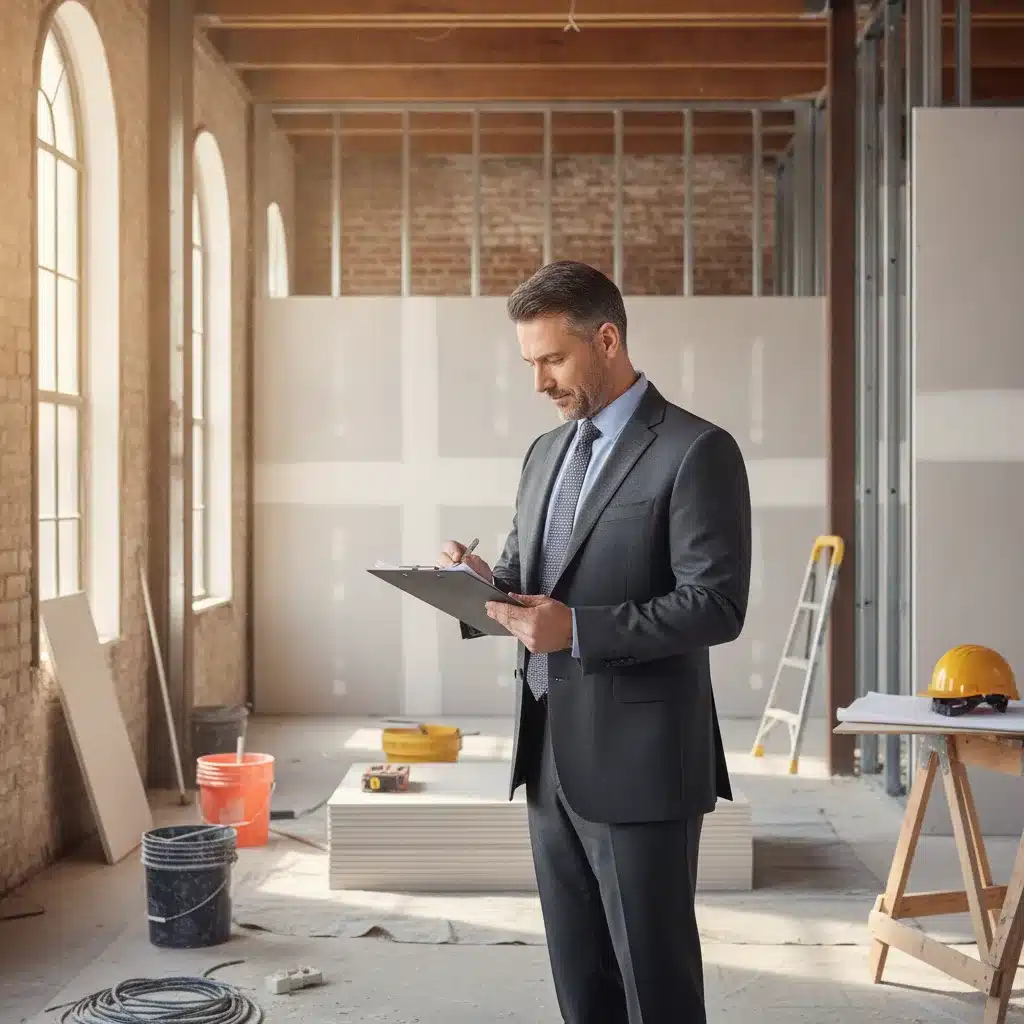
Usually yes, for reconstruction work. Structural repairs, electrical work, plumbing, and HVAC modifications typically require permits under local building codes. Emergency stabilization work like board-up or water extraction often doesn’t. Your contractor should pull permits before reconstruction begins. Skipping permits creates problems when you sell the property or file future insurance claims. Ask your contractor to confirm permit status before reconstruction starts.
How Do I Document Damage for an Insurance Claim?
Photograph every affected area before any cleanup begins. Take wide shots showing the full room and close-ups showing specific damage. Record moisture readings if you have a meter. Write a dated log of when you discovered the damage, what you observed, and what steps you took. Save receipts for any emergency expenses like temporary lodging or equipment rentals. This documentation becomes your primary evidence during the claims process and should be organized before your adjuster arrives.
What Certifications Should a Commercial Restoration Contractor Hold?
IICRC certification is the baseline standard. Look for Water Damage Restoration Technician (WRT), Applied Structural Drying (ASD), and Fire and Smoke Restoration Technician (FSRT) credentials for the relevant damage type. For mold, look for Applied Microbial Remediation Technician (AMRT) certification. State contractor licensing is separate and required for reconstruction work. Both types of credentials should be current and verifiable. A contractor who can’t produce documentation for either shouldn’t be on your shortlist.
How Long Does Commercial Mold Remediation Take?
Scope determines timeline. Small localized mold growth in a single room might remediate in 2 to 3 days. Widespread mold affecting multiple floors or HVAC systems can take 2 to 4 weeks. After remediation, post-remediation verification testing adds 1 to 3 days. During active remediation, affected areas must be contained with negative air pressure to prevent spore spread to clean areas. Occupied portions of the building may remain usable, but that depends on building layout and containment effectiveness.
Can I Use My Commercial Property Insurance for Storm Damage Restoration?
Commercial property policies typically cover sudden storm damage like wind, hail, and lightning strikes. Flood damage is usually excluded from standard commercial property policies and requires a separate flood insurance policy through the National Flood Insurance Program or a private carrier. Read your policy before a loss occurs so you know your actual coverage. Many businesses discover flood exclusions for the first time when they’re already in the middle of a claim.
What Is Business Interruption Insurance and Does It Cover Restoration Periods?
Business interruption insurance covers lost income and operating expenses when a covered loss forces you to suspend operations. It typically kicks in after a waiting period of 48 to 72 hours and covers the period necessary to restore the property. Coverage limits and waiting periods vary by policy. Review your business interruption coverage annually and make sure limits reflect your actual revenue. Underinsured interruption coverage is one of the most common gaps property owners discover during a claim.
Get Your Commercial Property and Your Business Visibility Back on Track
Commercial property restoration is a multi-phase, high-stakes process. The physical repairs are one part of getting back to normal. The other part is making sure your business stays findable, operational, and competitive during and after the recovery period. Whether you’re a property owner rebuilding after a loss or a restoration contractor trying to reach more commercial clients, your digital presence is part of the equation. PushLeads helps service businesses in Asheville, NC show up where their customers are searching, before, during, and after the jobs that matter most. Contact us today.
Keep Reading
Want more customers from Google & AI search?
Get a free SEO audit of your site — see exactly what to fix first.
Your path · Commercial Restoration Companies
6 articles. About 80 minutes.

- Commercial Flood Restoration: What Businesses Need to Know




Want this done for you?
Scan your site. See the gaps. Decide with numbers.
- Rankings, Google Business Profile and site-speed teardown
- Report lands in your inbox in about a minute
- No obligation · 4.9 from 67 Google reviews

