
Restoration Cost Guides: What Every Job Really Costs in 2026
Restoration pricing is one of the most-searched topics homeowners and property managers bring to the industry – and one of the least transparent. These guides break down real 2026 pricing for every major restoration service, what drives costs up or down, and when insurance steps in. Each guide is researched against current industry data, IICRC standards, and contractor pricing surveys.
Cost Guides by Service
Want it done for you? See our restoration SEO and marketing agency.
How Much Does Mold Remediation Cost?
Full pricing breakdown by square footage, mold type, and location in the home – plus when insurance covers it.
Water Damage Restoration Cost
Category 1-3 water pricing, extraction vs full restoration, and what drives the bill up.
Fire Damage Restoration Cost
Smoke, soot, and structural repair pricing from minor kitchen fires to whole-home loss.
Sewage Backup Cleanup Cost
Black-water cleanup pricing, health-hazard surcharges, and insurance claim guidance.
Lead Paint Remediation Cost
Encapsulation vs removal pricing, testing costs, and EPA RRP compliance.
Crime Scene Cleanup Cost
Biohazard remediation pricing and what determines the final invoice.
Meth Lab Cleanup Cost
Testing, decontamination, and clearance pricing by contamination level.
How to Use These Numbers
Every restoration job is priced on scope, severity, and access. Use these guides to sanity-check estimates, understand line items before you sign, and know which questions separate a fair bid from an inflated one. If you run a restoration company, these are also the questions your customers are already Googling – answering them on your own site is one of the fastest ways to earn their trust before the first phone call.
Want more customers from Google & AI search?
Get a free SEO audit of your site — see exactly what to fix first.
Key Takeaways
- Restoration bills are driven by scope, severity, and access, so two homes with the same visible damage can price very differently.
- A fair estimate itemizes labor, equipment days, demolition, testing, and rebuild work instead of giving you one lump sum.
- Insurance usually pays for sudden, accidental loss, but your deductible, policy limits, and documentation decide what you actually owe.
- Comparing bids only works when each contractor prices the same scope, the same standards, and the same stopping point.
- If you run a restoration company, publishing honest price ranges and the reasons behind them earns trust and gets quoted by search and AI tools.
What Actually Sets the Price of a Restoration Job
Three things set the price of nearly every restoration job: how much of the building is affected, how hazardous the damage is, and how hard it is to reach. Everything else, from equipment to rebuild work, follows from those three.
Scope: how much is affected
Scope is the area and the materials involved. A soaked bathroom floor on a slab is a different job from water that has moved through a wall cavity, under flooring, and into the ceiling below.
Restoration is usually priced by the area treated, the number of rooms, and the amount of material that must be removed. The visible stain is often smaller than the real footprint, which is why moisture mapping matters before anyone quotes.
Severity and contamination
Severity is how long the damage has been there and what is in it. Clean supply-line water caught within a day is far cheaper to handle than the same water left for several days, and both are cheaper than sewage or floodwater.
IICRC water categories (clean, gray, and black water) exist because contamination changes the work. Porous materials in contact with contaminated water are typically removed rather than dried, and crews need more protective gear, containment, and disposal. That is where much of the price gap comes from.
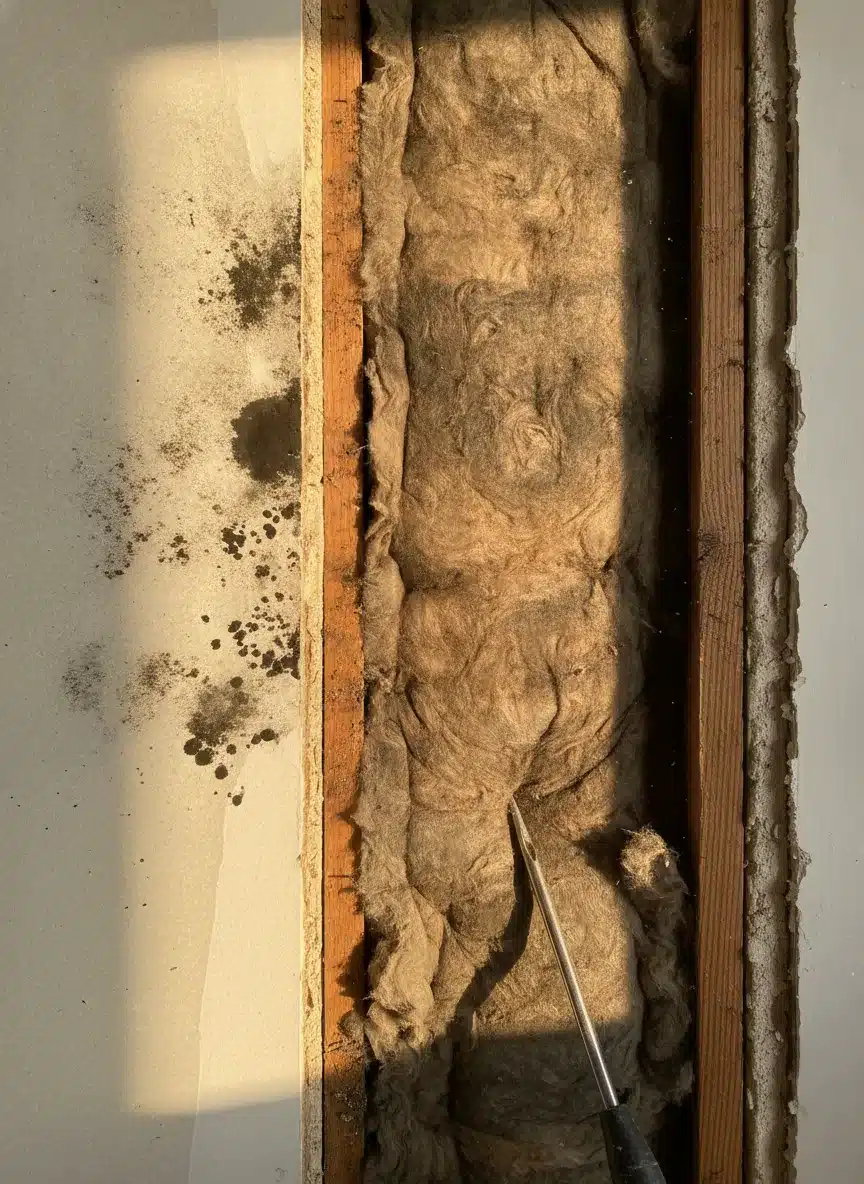
The same logic applies to mold, smoke residue, and biohazards. More contamination means more containment, more labor hours, more disposal, and more verification afterward.
Access and building conditions
Access covers how easily a crew can reach, work in, and clean the affected area. Tight crawl spaces, attics, multi-story buildings, occupied homes, and historic finishes all slow work down.
Older homes can also add cost because of materials that require special handling. If you suspect older flooring, popcorn ceilings, or paint, read the guidance on asbestos testing and abatement costs before demolition begins.
Timing: how quickly you act
Speed changes the price more than most people expect. Water that is extracted and dried quickly may save drywall, cabinets, and flooring that would otherwise be torn out.
After-hours and weekend emergency response can carry higher rates, but waiting until Monday on an active leak or sewage backup often costs more in the end. If you can safely stop the source and document the damage, call as soon as you can.
How a Restoration Estimate Is Built, Line by Line
A solid restoration estimate breaks the job into labeled phases, each priced by time, quantity, or equipment days. If your estimate is one number with a one-line description, ask for the breakdown before you sign.
Most estimates for water, fire, mold, and sewage jobs include some version of the following:
| Line item | What it covers | How it is usually priced |
|---|---|---|
| Emergency response | Arrival, inspection, moisture readings, source control, and initial protection | Flat fee or hourly rate, sometimes with an after-hours rate |
| Extraction and cleanup | Removing standing water, debris, or contaminated material | By square foot, by hour, or by room |
| Containment and protection | Plastic barriers, negative air, floor and content protection | By linear foot, by area, or per setup |
| Demolition and disposal | Removing wet or damaged drywall, flooring, insulation, and trim, plus hauling | By square foot of material, plus disposal fees |
| Drying equipment | Air movers, dehumidifiers, air scrubbers, and monitoring | Per unit, per day |
| Cleaning and treatment | Antimicrobial application, HEPA vacuuming, soot and smoke cleaning, deodorization | By square foot or by hour |
| Testing and verification | Air or surface sampling, moisture logs, clearance checks | Per sample or per visit |
| Contents handling | Pack-out, cleaning, storage, and return of belongings | By box, by item, or by month of storage |
| Reconstruction | Drywall, paint, flooring, cabinetry, and finish carpentry | By square foot or by trade, often a separate bid |
Two points are worth remembering. First, drying equipment is billed per day, so a job that dries slowly costs more, and a good contractor documents daily readings to justify each day. Second, mitigation (stopping the damage) and reconstruction (rebuilding) are often separate contracts, so a low mitigation number does not tell you the final cost.
Planning Ranges by Service Type
Planning ranges help you decide whether a bid is in the right neighborhood, but they are not quotes. Costs vary by region, labor market, contamination, and the exact scope, so treat the numbers below as rough orientation only.
| Service | Small, contained job | Large or complex job | What moves the number most |
|---|---|---|---|
| Water damage | About $1,000 to $4,000 | $10,000 to $30,000 or more | Water category, hours since the loss, number of rooms, materials removed |
| Mold remediation | About $500 to $3,000 | $10,000 to $30,000 or more | Area affected, hidden growth, containment needs, cause of moisture |
| Fire and smoke | About $3,000 to $15,000 | $50,000 to six figures | Structural damage, soot spread, contents, odor control |
| Sewage backup | About $1,000 to $5,000 | $10,000 to $25,000 or more | Volume, affected materials, health-hazard protocols, disposal |
| Biohazard, crime scene, meth | Quoted after inspection | Quoted after inspection | Contamination type and level, testing, clearance requirements |
For deeper breakdowns, see PushLeads’ pages on water damage restoration pricing, fire damage restoration pricing, and sewage backup cleanup costs and health risks.

Biohazard work is the hardest to pre-price because the contamination type changes the entire protocol. The page on how much biohazard cleanup costs explains what shapes those invoices.
How Insurance Changes What You Actually Pay
Insurance usually covers sudden and accidental damage, and it usually does not cover slow leaks, neglected maintenance, or flooding from outside the home unless you carry a separate policy. What you pay out of pocket depends on your deductible, your coverage limits, and how well the loss is documented.
What tends to be covered and what tends not to be
A burst pipe, an appliance failure, or a kitchen fire are common examples of covered losses. Long-term seepage, repeated leaks, and flood damage from rising water are common examples of excluded or limited losses.
Policies differ, and mold, sewer backup, and water backup coverage are often limited or sold as add-ons. Read your declarations page and endorsements, or ask your agent before you need them.
Your duty to limit further damage
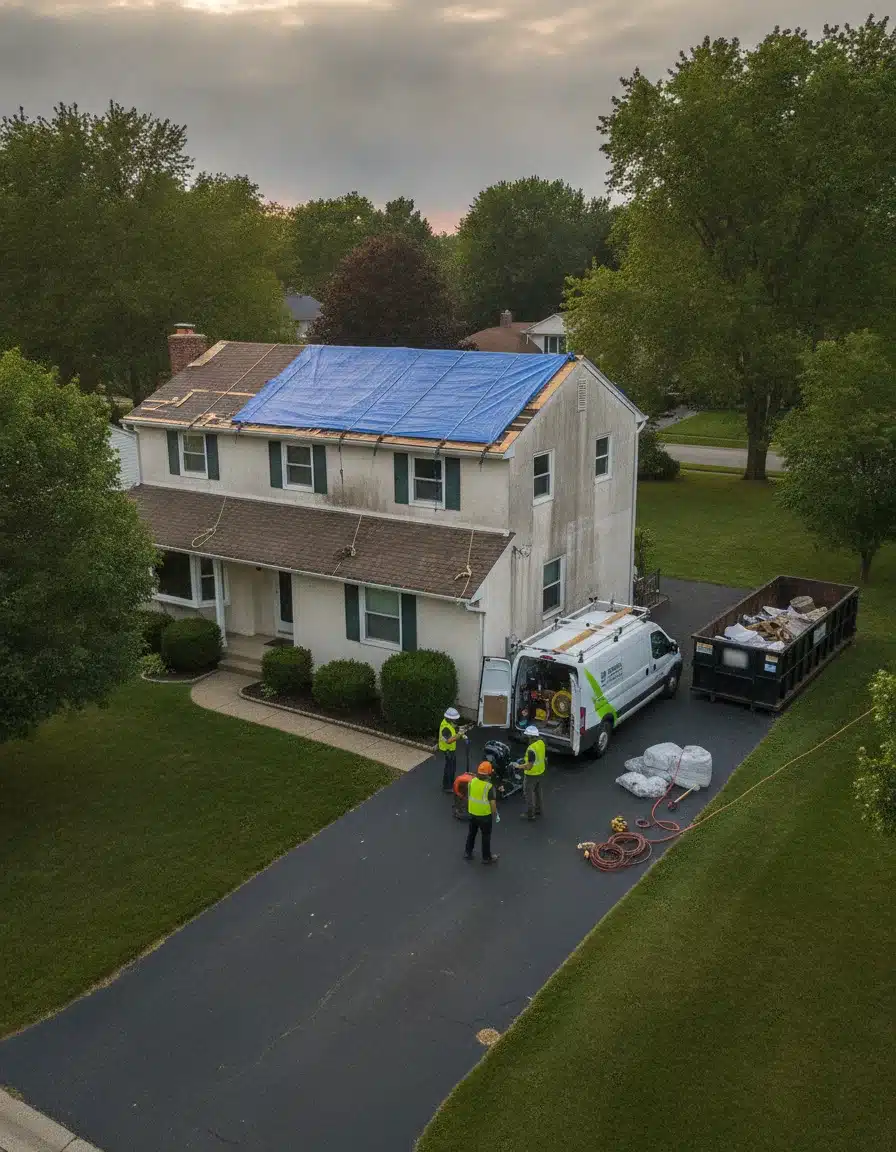
Most policies expect you to take reasonable steps to prevent more damage after a loss. That typically means stopping the water, calling a mitigation company, and keeping receipts. Emergency mitigation is usually worth doing even before the adjuster arrives, as long as you document everything first.
Documentation that helps your claim
- Photos and video of the damage before anything is moved or removed.
- The source of the loss and the time you discovered it.
- Moisture logs, equipment counts, and daily drying notes from the contractor.
- An itemized invoice and any lab or testing reports.
- A list of damaged contents with approximate age and value.
Why insurer estimates and contractor bids differ
Adjusters often use standardized pricing software such as Xactimate, while contractors price from their own costs and conditions on the job. The two numbers can differ, and contractors may submit a supplement when hidden damage appears after demolition.
A supplement is normal when it is documented. It is a warning sign when it arrives with no photos, no moisture readings, and no explanation of what changed.
How to Compare Two Restoration Bids Fairly
You can only compare bids when each one covers the same work to the same standard. Start by making the scope identical, then compare price, and only then compare the contractors.
- Get the scope in writing. Ask each contractor to list the rooms, square footage, and materials they plan to remove, dry, clean, or replace.
- Confirm the standard. Ask which industry standards they follow, such as IICRC S500 for water damage or S520 for mold, and how they verify the work is finished.
- Check equipment counts and days. A bid with fewer air movers or dehumidifiers may look cheaper but dry more slowly or incompletely.
- Look for what is left out. Disposal, testing, permits, and contents handling are often excluded from low bids.
- Separate mitigation from rebuild. Compare the dry-out price to the dry-out price and the reconstruction price to the reconstruction price.
- Ask how change orders work. A good contractor explains when the price can change and requires your approval first.
- Verify licensing and insurance. Requirements vary by state and trade, so ask for proof of general liability coverage, workers’ compensation, and any required licenses or certifications.
If one bid is far lower than the others, do not assume you found a bargain. Ask what it excludes before you decide.
Red Flags in a Restoration Estimate
The biggest red flags are vague scope, pressure to sign immediately, and prices that cannot be explained line by line. A trustworthy contractor welcomes questions about the numbers.
- A single lump sum with no breakdown of labor, equipment, or materials.
- Pressure to sign on the spot before you have read the work authorization or called your insurer.
- Large upfront payment demands that are not tied to materials or milestones.
- No moisture readings or testing offered to justify tearing out material or running equipment for many days.
- Blanket “everything must go” demolition without showing where the damage is.
- Mold claims with no cause identified. Remediation without fixing the moisture source usually means the problem returns.
- Unwillingness to provide proof of insurance or references.
- Verbal promises about what insurance will pay. Only your insurer can confirm coverage.

None of these automatically means a contractor is dishonest, but each one is a reason to slow down and ask questions.
Costs That Show Up After the Dry-Out
The mitigation invoice is rarely the final number, because testing, rebuild, and discoveries inside walls add costs later. Budget for them early so they do not surprise you.
Testing and clearance
Mold, lead, asbestos, and meth contamination often require lab sampling before or after the work. Testing before work defines the scope, and clearance testing afterward confirms the job is complete. Ask who pays for each and whether the tester is independent from the contractor doing the work.
Reconstruction and finish work
Rebuild costs depend on finishes, not just damage. Replacing basic drywall and paint is a different budget from matching custom cabinets, hardwood, or tile. Permits may be required for larger structural or electrical work.
Hidden conditions found during demolition
Opening a wall can reveal rot, old plumbing, outdated wiring, or hazardous materials. Moisture problems in lower levels may also point to larger issues, such as the conditions discussed in PushLeads’ guide to crawl space encapsulation costs and benefits. Ask your contractor how they will notify you and price changes if something unexpected turns up.
Living costs and lost use
Some policies include additional living expense coverage if the home is unlivable. Keep receipts for hotels, meals above your normal spending, and storage, and ask your insurer what qualifies.
Do Franchise and Independent Companies Price Differently?
They can, but a franchise logo alone does not tell you whether a bid is fair. Overhead, response capacity, and pricing structure vary more by individual company than by business model.
Franchises may bring larger equipment fleets, national marketing, and standardized processes. Independents may offer more flexibility and direct owner involvement. For a closer look at the tradeoffs, see this comparison of franchise versus independent restoration costs.
In this video
- 0:00 Contents Restoration Overview and Stakes
- 0:33 Who Jeremy Ashburn and PushLeads Are
- 0:48 Why Carriers Push Restore First
- 1:21 Four Disaster Types Driving Contents Claims
- 2:00 Five Stages of a Professional Contents Job
- 2:42 Textiles Electronics and Document Treatment
- 3:53 Restore vs Replace Thresholds and Costs
- 5:11 Insurance Coverage and Policy Types Explained
- 7:02 Three Mistakes That Shrink Your Claim
- 7:49 Four Fixes to Protect Your Recovery
- 8:38 Xactimate Documentation and Adjuster Approval
Whichever you choose, apply the same checklist: itemized scope, documented readings, clear change-order rules, and proof of insurance.
For Restoration Owners: How to Publish Cost Content That Earns Trust
If you own a restoration company, the best cost page gives a real range, explains what moves it, and tells people when to call. Homeowners searching for prices are usually in a stressful moment, and clear answers are what turn that search into a phone call.
What a strong cost page includes
- A direct answer near the top, such as a typical range for a small job and a large job.
- A short list of the factors that raise or lower the price.
- A sample line-item breakdown so readers understand what they are paying for.
- A plain explanation of what insurance usually covers and what it does not.
- Your service area, so the page matches the local searcher’s intent.
- A clear next step, such as a phone number or an inspection request form.
Why this format gets quoted
Search engines and AI assistants favor pages that answer a question quickly and then support it with detail. Short definitions, labeled tables, and FAQ sections are easy to extract. Pages that hide pricing behind “call for a quote” give those systems little to work with and give homeowners little reason to trust you.

Mistakes that weaken cost content
- Publishing one national number with no explanation of local variation.
- Copying competitors’ ranges instead of reflecting your actual jobs and market.
- Promising exact prices you cannot honor after an inspection.
- Splitting one topic across several thin pages that compete with each other instead of one thorough page.
- Leaving out the “when it costs more” section, which is exactly what readers want to know.
Cost content works best as part of a broader local search plan. If your phone is not ringing despite good work, start with PushLeads’ explanation of why a restoration company is not showing up in Google to find the gaps in your listings, site structure, and service pages.
Use These Numbers as a Starting Point, Then Get It in Writing
Cost guides help you ask better questions, but only an on-site inspection produces a real number. Use the ranges to judge whether a bid is reasonable, and use the questions above to find out why it is what it is.
If you run a restoration business and want your pricing pages to answer these questions in a way that Google and AI assistants can quote, you can talk with PushLeads about your pricing content. We will look at what you have now and tell you plainly what to fix first.
Frequently Asked Questions
Why do restoration quotes vary so much between companies?
Quotes vary because companies often scope the job differently, not just because they charge different rates. One bid may include demolition, disposal, testing, and extra drying days while another leaves them out. Ask each company to list the same rooms, materials, and standards so you can compare like with like.
In this video
- 0:00 Fire Damage Restoration Cost Overview
- 0:51 National Average and Cost Range
- 1:18 Biggest Myths About Fire Damage Bills
- 2:24 Soot Types and Why They Drive Cost
- 3:00 The 72-Hour Window That Changes Everything
- 3:32 Cost by Severity Level Minor to Severe
- 4:06 Per Square Foot Cost Breakdown
- 4:43 Where the Fire Started Shapes the Estimate
- 5:13 Six Restoration Phases and Their Costs
- 5:56 What Insurance Actually Covers
- 7:08 Three Policy Details That Change Your Payout
- 7:51 How to Estimate Your Own Exposure
Does homeowners insurance pay for restoration?
It often does when the damage is sudden and accidental, such as a burst pipe or a fire. It often does not cover gradual leaks, poor maintenance, or outside flooding without separate coverage. Your deductible, limits, and any endorsements for mold or sewer backup decide the final amount, so check your policy or call your agent.
Should I get more than one estimate?
Yes, when the situation allows it, but do not delay emergency steps to collect bids. Stop the source if it is safe, document the damage, and have a mitigation company start protecting the property. Then compare itemized estimates for the larger demolition and rebuild phases.
Why is drying equipment billed per day?
Equipment such as air movers and dehumidifiers is a real cost for each day it runs, and drying time depends on conditions in the building. A reputable contractor records moisture readings each day to show why equipment stayed or was removed. If you see many days of equipment with no documented readings, ask for the logs.
Can a restoration company start work before my insurance approves it?
Yes, emergency mitigation can usually begin right away, and many policies expect you to prevent further damage. The insurer may still review the scope and price afterward. Keep photos, moisture logs, and invoices so the work is easy to support in your claim.
Are cost guides accurate for my area?
They are accurate as general orientation, but local labor rates, disposal costs, building types, and weather all affect the final price. Use ranges to spot bids that are far too high or too low. A written inspection-based estimate from a licensed, insured contractor is the only reliable number for your property.
What should a restoration company publish about its pricing?
It should publish a realistic range, the factors that change it, and what insurance typically covers, while stating that final pricing follows an inspection. That level of honesty helps homeowners trust you before they call. It also gives search engines and AI assistants a clear, quotable answer to the question people are already asking.
Keep Reading
Want more customers from Google & AI search?
Get a free SEO audit of your site — see exactly what to fix first.
Your path · Restoration SEO
Keep going: read these next
 You’re hereRestoration Cost Guides: What Every Job Really Costs in 2026
- Up nextSewage Backup Cleanup: Health Risks, Restoration Process, and Costs
- Air Duct Cleaning After Restoration: When It Matters and What It Costs


Want this done for you?
Scan your site. See the gaps. Decide with numbers.
- Rankings, Google Business Profile and site-speed teardown
- Report lands in your inbox in about a minute
- No obligation · 4.9 from 67 Google reviews
 Continue reading
